Trip Report: Iceland
Visited in September 2025
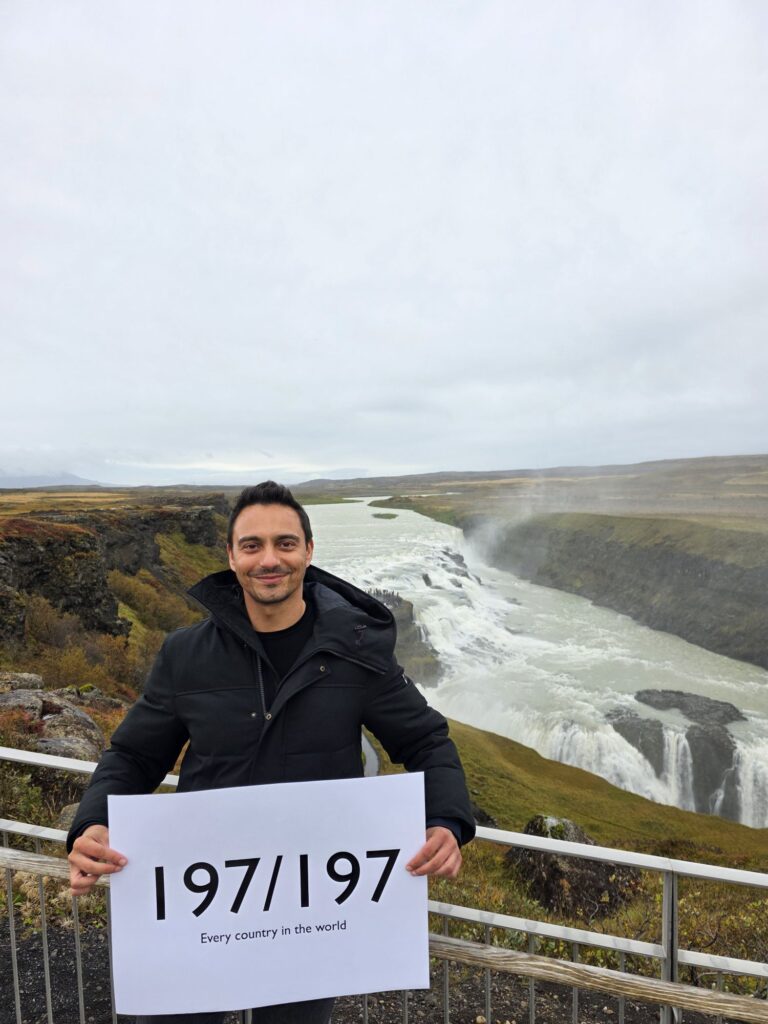
September 23, 2025. My flight landed in Keflavík shortly before 11 p.m., and about 20 minutes later I entered Iceland, my 197th and final country. The end of my road to 197. Having started the road to 197 in the fall of 2015, it was now finished almost exactly ten years later.
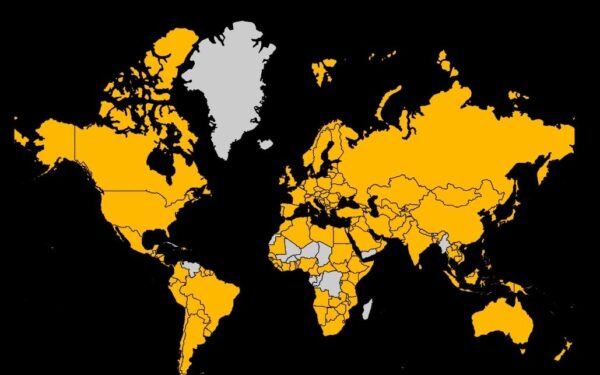
Crossing the finish line looked like this: I walked through the airport, saw a sign saying “exit to Iceland,” then walked through the duty-free shop, where “welcome to Iceland” was written on the wall. And finally, I left the airport. The mission, everyone said was an impossible one, was accomplished: 197/197! From that moment on, I joined a group of about 450 people who had been to every country in the world.
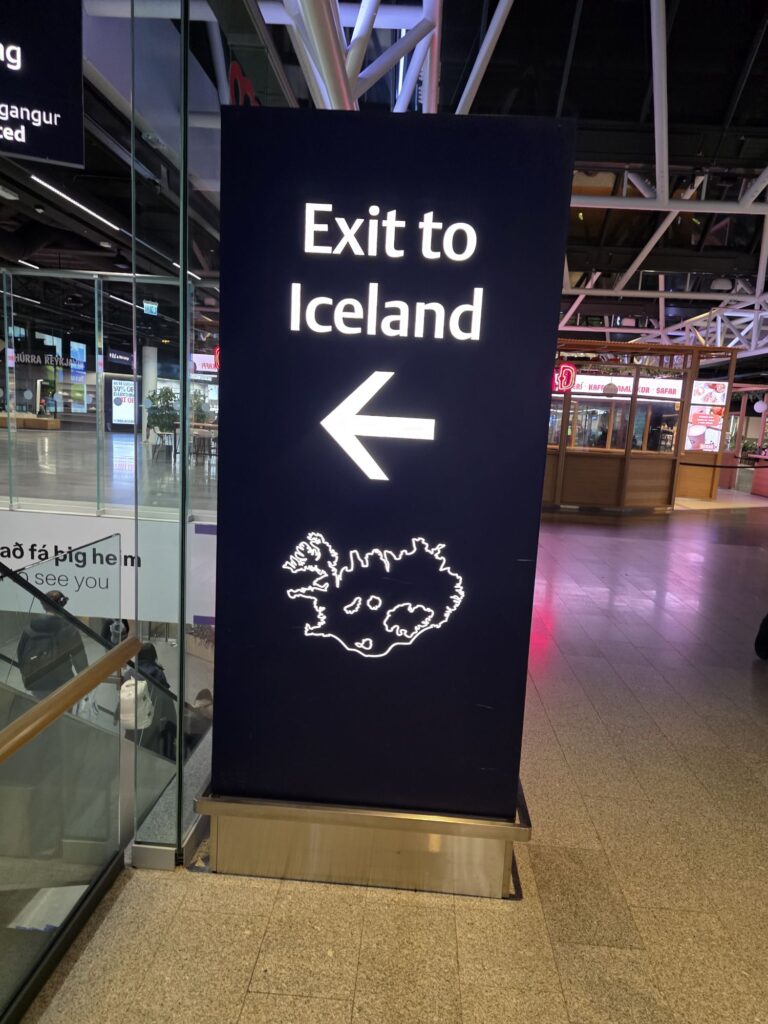
You may be wondering how it feels when this life’s work is finally complete after ten long years. You may be surprised by my answer, but it was pretty emotionless. It actually felt the same as when I usually arrive somewhere in Europe for a trip.
The reason for this was probably that the Pacific trip the month before had been the final boss, so to speak. During that trip, I was so nervous because a lot could still have gone wrong. When I reached Micronesia, my 196th/197th country, I knew I had made it. Iceland was now just a formality.
The most common question I received about this trip was: why Iceland as the last country? For many, it seems completely crazy that Iceland came after countries such as North Korea, Afghanistan, and Libya.
The decision to make Iceland my last country was actually made years ago. More precisely, when I had visited about 80 or 90 countries. I wanted to finish the road to 197 on my home continent and always found it a bit lame when people with the same goal had completed their home continent first.
I also wanted to save a special country for the end. A unique one that would offer me something I hadn’t seen anywhere else. Iceland, with its geographical location and otherworldly landscapes, seemed perfect for this.
Looking back, the fact that I saved many exciting countries (e.g., the Philippines, Myanmar, Cuba, Guatemala) for the last quarter was probably one of the biggest success factors for this project. If I had only had African and Pacific island nations among the last 50 countries, who knows if I would have really found the motivation to actually finish it.
It was already almost 1 a.m. by the time I finished the approximately 60-minute bus ride (Flybus) from the airport to Reykjavík. I checked into the Fosshotel Baron on the edge of the city center, ordered a bottle of beer to celebrate the day, and was quite surprised by the €11 I paid for it. This was the start of my trip to Iceland.
I spent a week in Iceland and my itinerary was as follows:
- Day 0: arrival shortly before midnight
- Day 1: Reykjavík
- Day 2: Golden Circle tour, overnight stay in Selfoss
- Day 3: Selfoss to Vík with various stops in between
- Day 4: Vík to Höfn with various stops
- Day 5: Höfn to Reykjavík with various stops
- Day 6: Spare day for another day trip from Reykjavík
- Day 7: Spare day for another day trip from Reykjavík
- Day 8: Departure shortly after midnight
So basically the classic Iceland tour that most tourists do, focusing on the west and south of the country. A week would probably have been a bit too short to drive completely around the entire island.
I didn’t want to plan the last two days yet. I wanted to wait and see what the weather would be like, because at the end of September it is already unpredictable. It’s not worth looking at the weather forecast more than two days in advance anyway (I used vedur.is, the best one for Iceland). So I thought I could visit additional places or possibly revisit a place if the weather had been bad in the days before.
Reykjavík
Iceland was not only my last country in Europe, but Reykjavík was also my last capital city on the continent. The Icelandic capital has 135,000 inhabitants and feels more like a small town, especially since most tourists tend to spend all their time almost exclusively in the center, which takes about 15-20 minutes to walk from one end to the other.
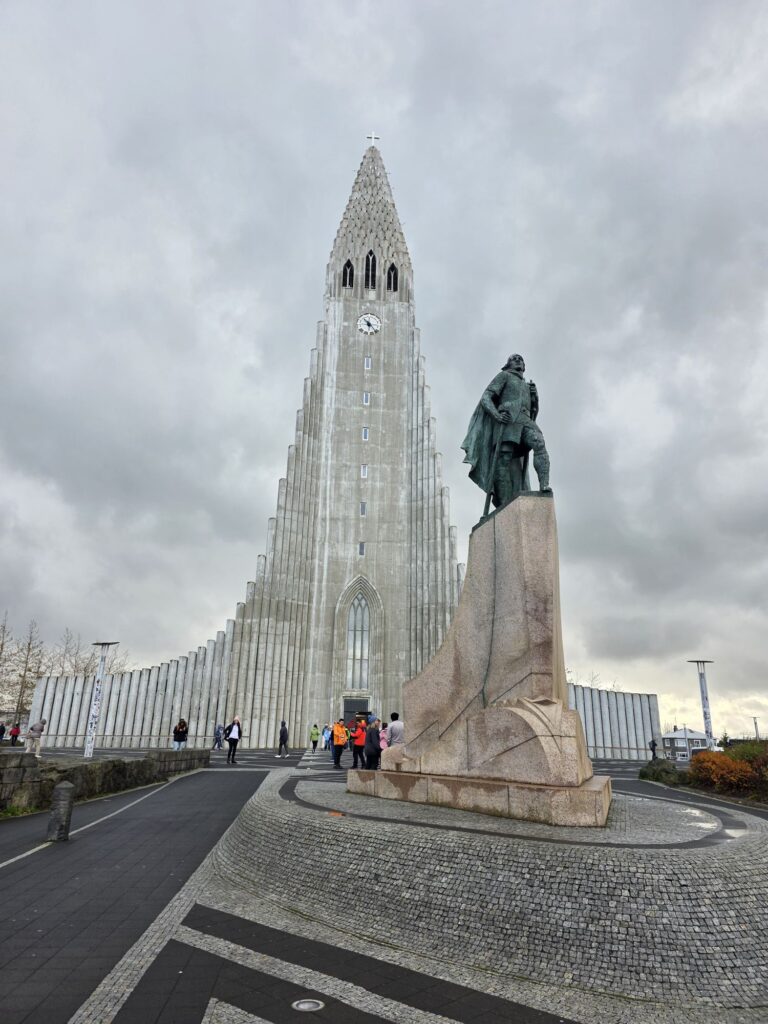
My day in the Icelandic capital was therefore quite relaxed. I visited the city’s most important sights, such as Hallgrímskirkja, one of the most iconic churches in the world. The view from the top is a must.
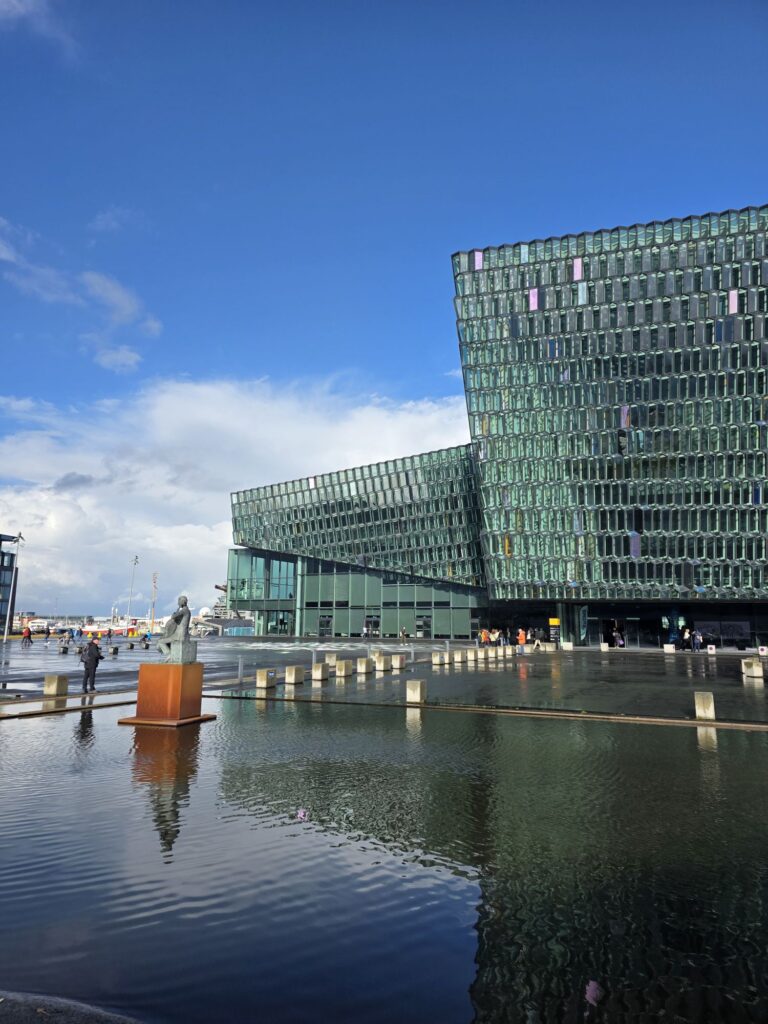
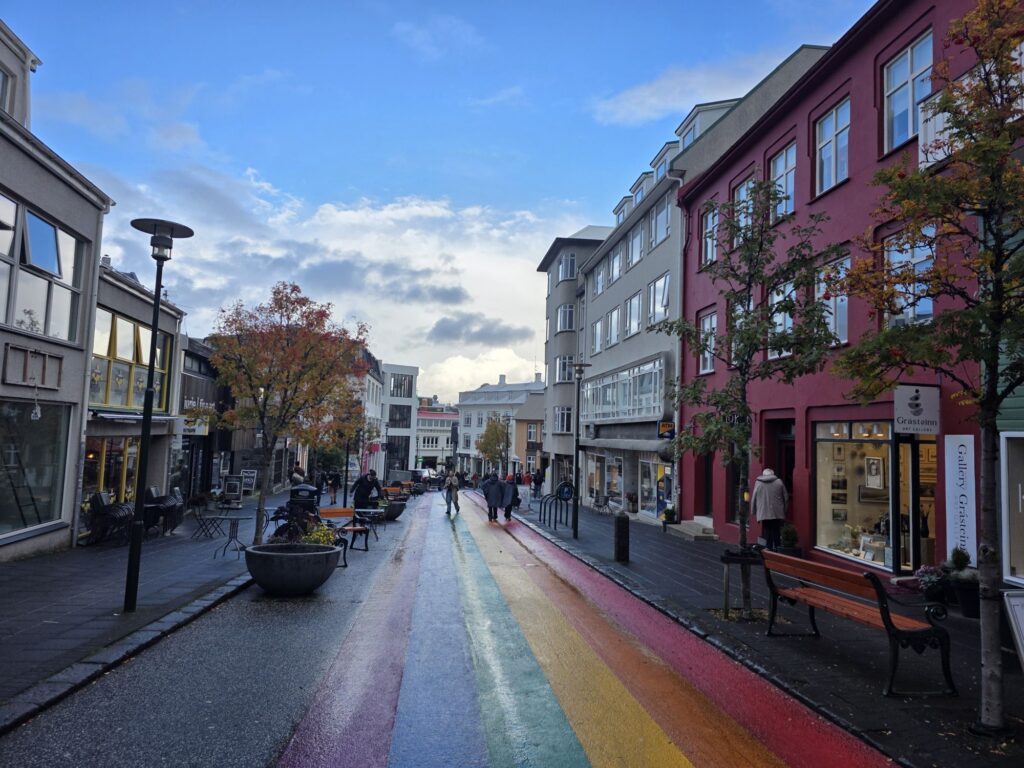
I also visited the Harpa Concert Hall, an architectural masterpiece, and walked up and down Laugavegur, the main street in the city center, several times. I didn’t miss out on the famous Skólavörðustígur rainbow street either.
By the way, the weather forecast for the whole day was disastrous. Fortunately, it turned out better than expected. Although it rained lightly from time to time, it rarely lasted long. The sun and blue skies also made an appearance in between. I have never been to a country where the weather changes as quickly as it does in Iceland.
Reykjavík also turned out to be a good place for food, with a wide selection of restaurants serving cuisine from all over the world. Icelanders are really good at making sweets, especially pastries. Cinnamon rolls from Brauð are a must. The Posthús Food Hall is also a place worth recommending.
I found Reykjavík to be a charming little town and I liked the typical Northern European architecture. This means houses mostly built in clear, block-like forms, with steep roofs, simple facades, and bold colors that create warmth and identity in an often barren, low-light landscape.
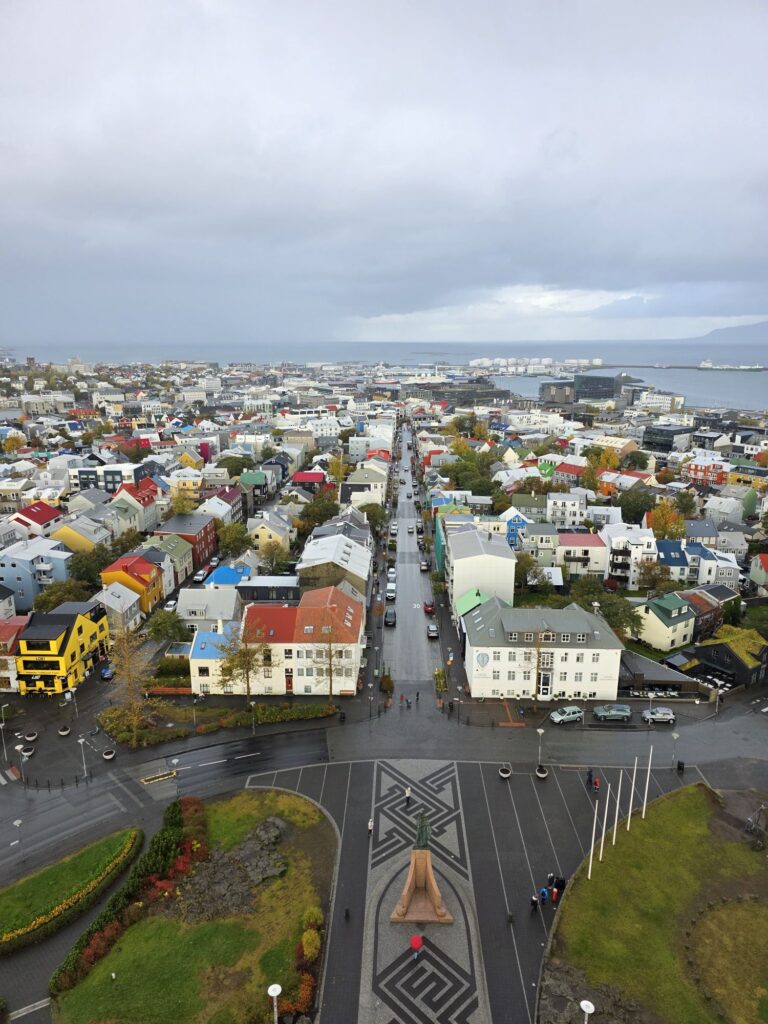
All in all, I think you can see Reykjavík in a quick two hours. However, it’s also worth spending half a day or a whole day in the city.
The Golden Circle
Although Reykjavík is beautiful, it would be a shame to fly to Iceland and only see the capital. The real highlights of the country are its landscapes. Probably the most classic tour is the Golden Circle, a round trip that can be done as a day trip from the capital. It includes three main attractions that are relatively close to each other and perfectly showcase the country’s scenic and geological diversity.
For the next four days, my team was joined by Michelle and Dominik, both of whom are also on a journey to visit every country in the world. We rented a car for these four days – the way to go in Iceland.
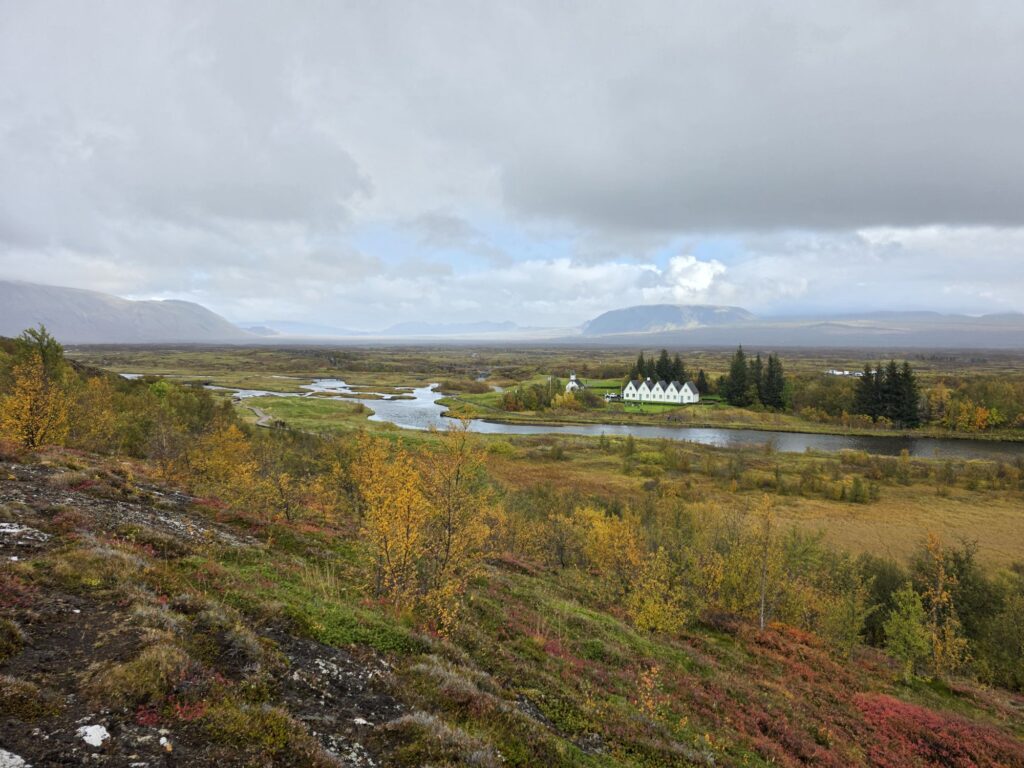
Þingvellir National Park is the first of the main attractions of the Golden Circle. This national park is geologically unique because the Eurasian and North American continental plates are visibly drifting apart here – you can literally walk between the continents.
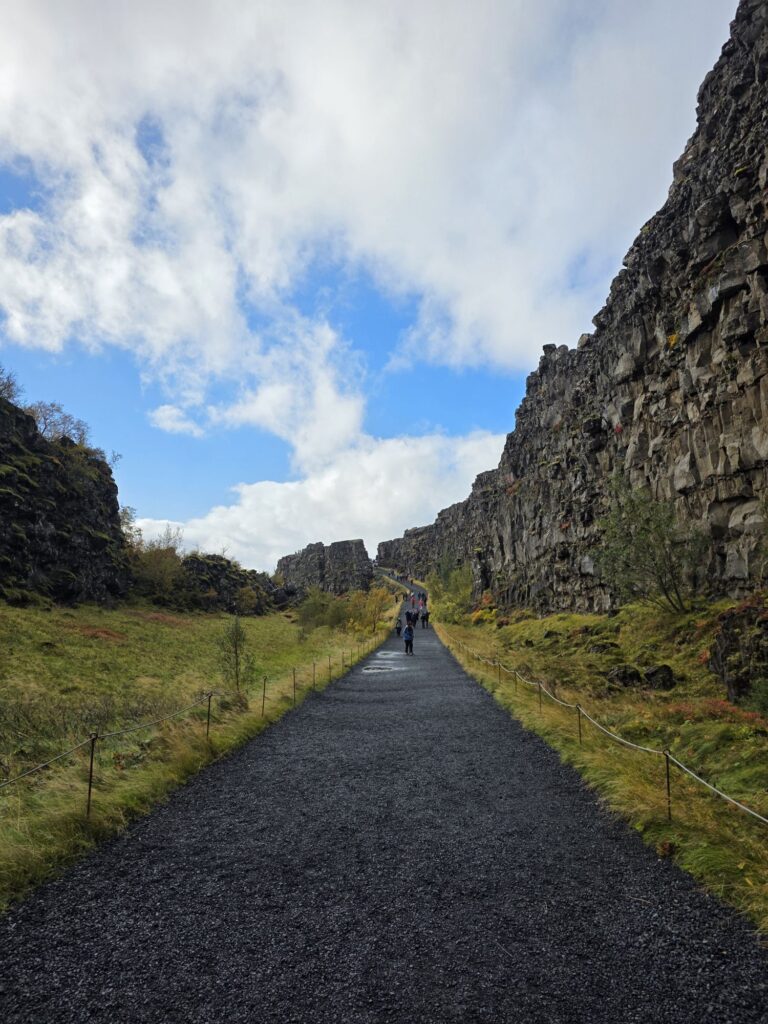
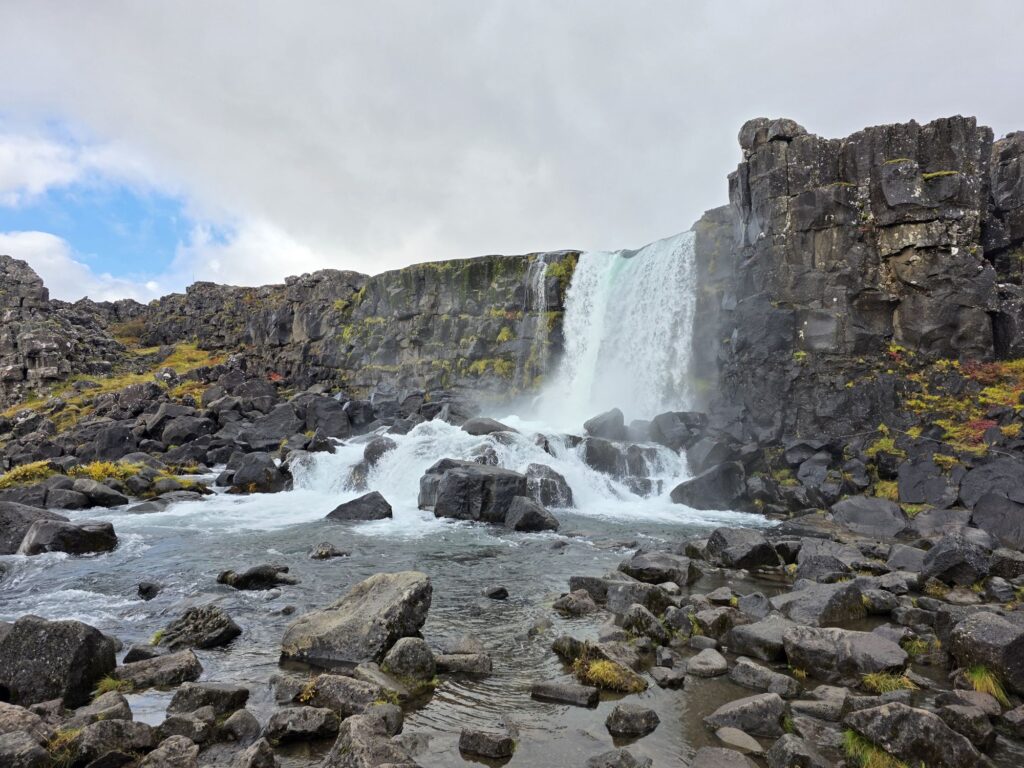
There are several attractions within the national park, such as the Öxarárfoss waterfall (foss means waterfall in Icelandic, so a double mention is actually unnecessary) and the Þingvellir Church. You can visit these attractions in about an hour and a half to two hours on a good walk.
Þingvellir was a good start, but funnily enough, it was almost the “weakest” attraction I saw in the whole country. That says a lot about the nature of the country, because the national park was by no means boring.
The next stop was the geysir. Geysirs are rare worldwide because they require very specific geological conditions: hot volcanic activity and underground water that is trapped and heated in just the right way. In fact, you can see geysirs only in eight countries around the world.
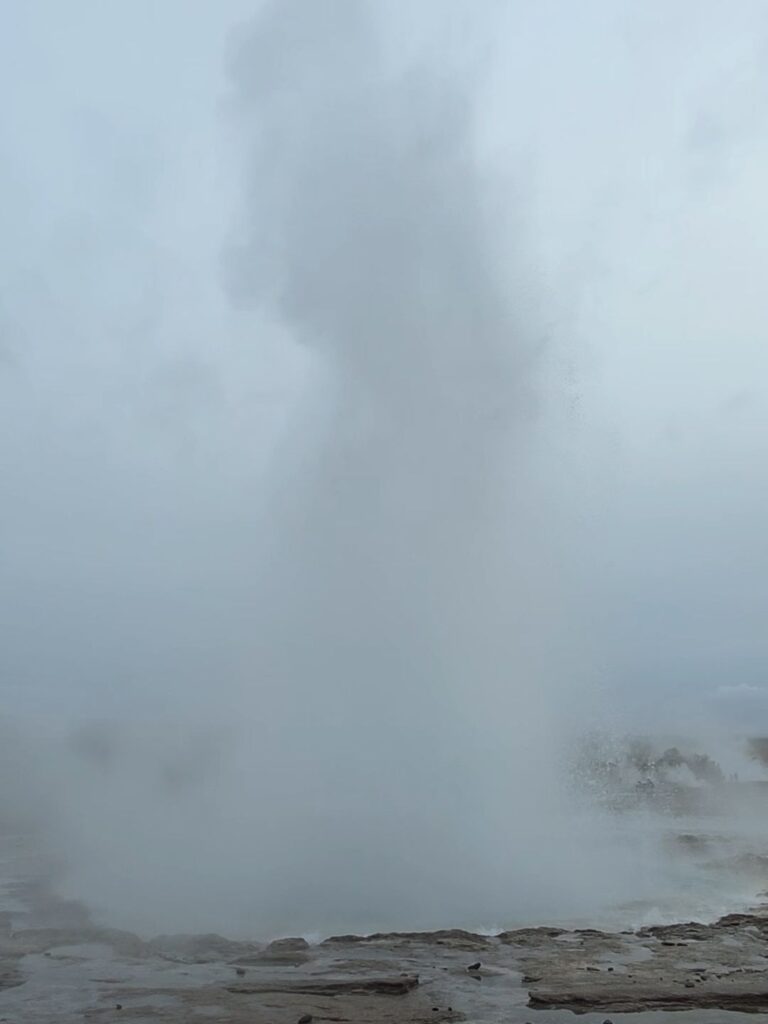
Strokkur in Iceland is one of the most reliable ones in the world. It erupts every 5–10 minutes, usually reaching a height of 15–25 meters, and in rare cases even up to 40 meters.
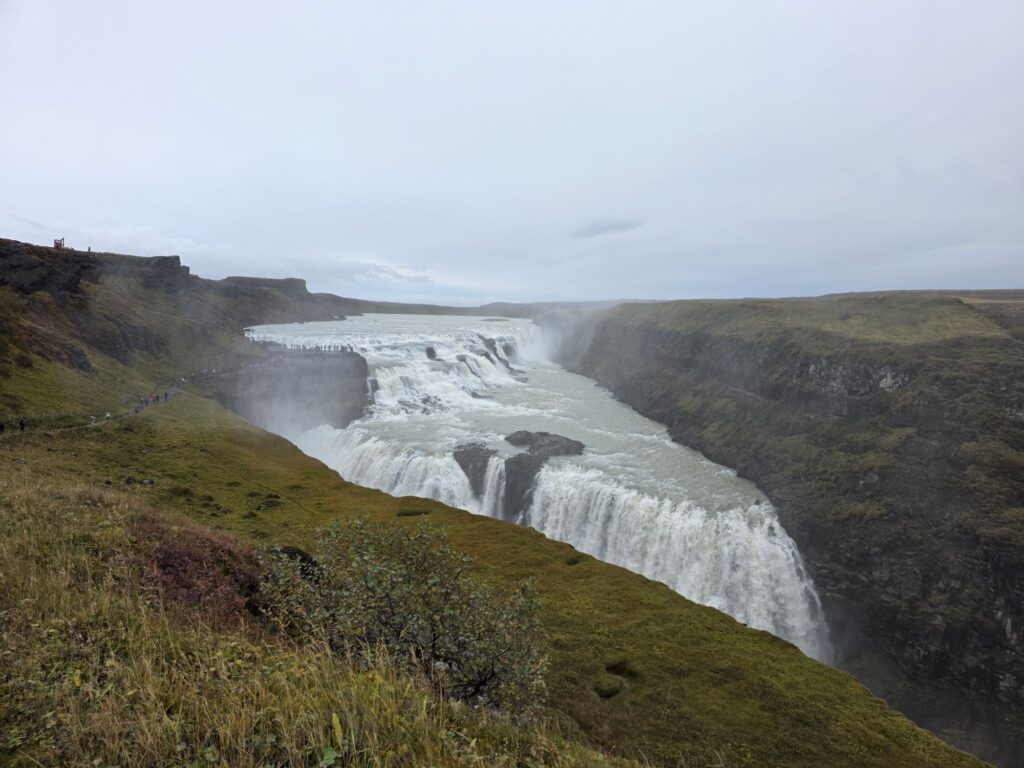
The third and final stop is Gullfoss (waterfall), one of Iceland’s most spectacular waterfalls, which plunges into a deep gorge in two stages. Its name (“golden”) apparently comes from the shimmering light in the spray – or from the gold that, according to legend, was hidden there.
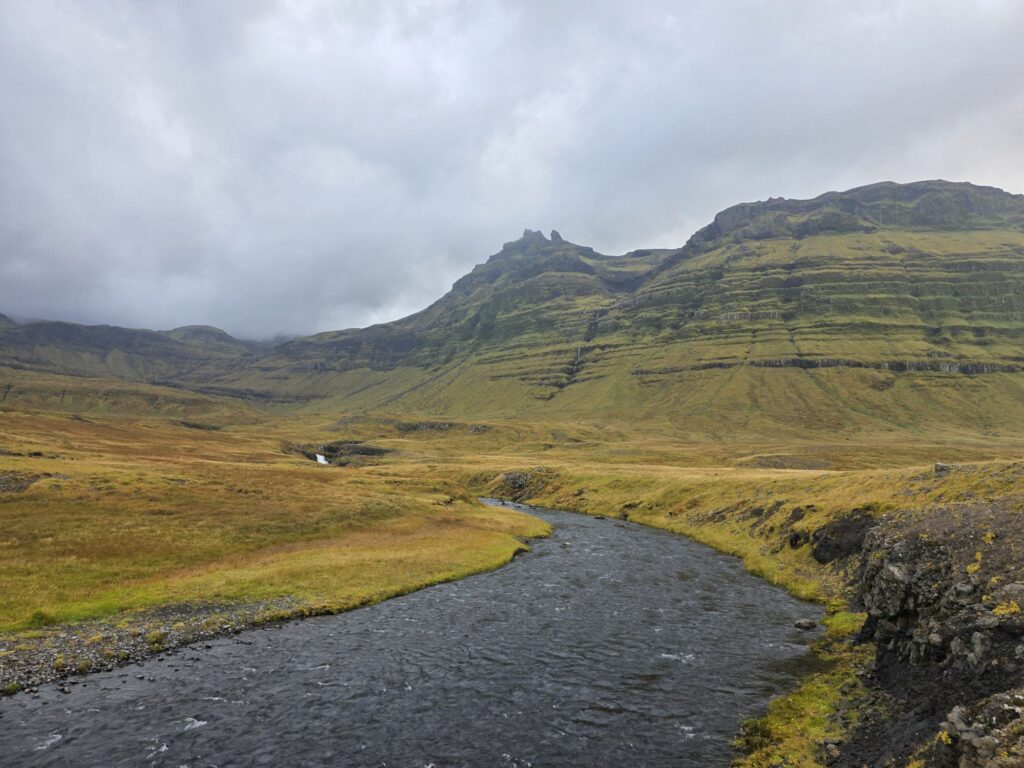
It was a shame that the weather was already much worse at this point. The waterfall was impressive, but it would certainly have looked even better under a blue sky. However, I must also say that Iceland is one of the few countries in the world that suits a gray sky or even light fog. Somehow, this contributes to the unique atmosphere of this country.
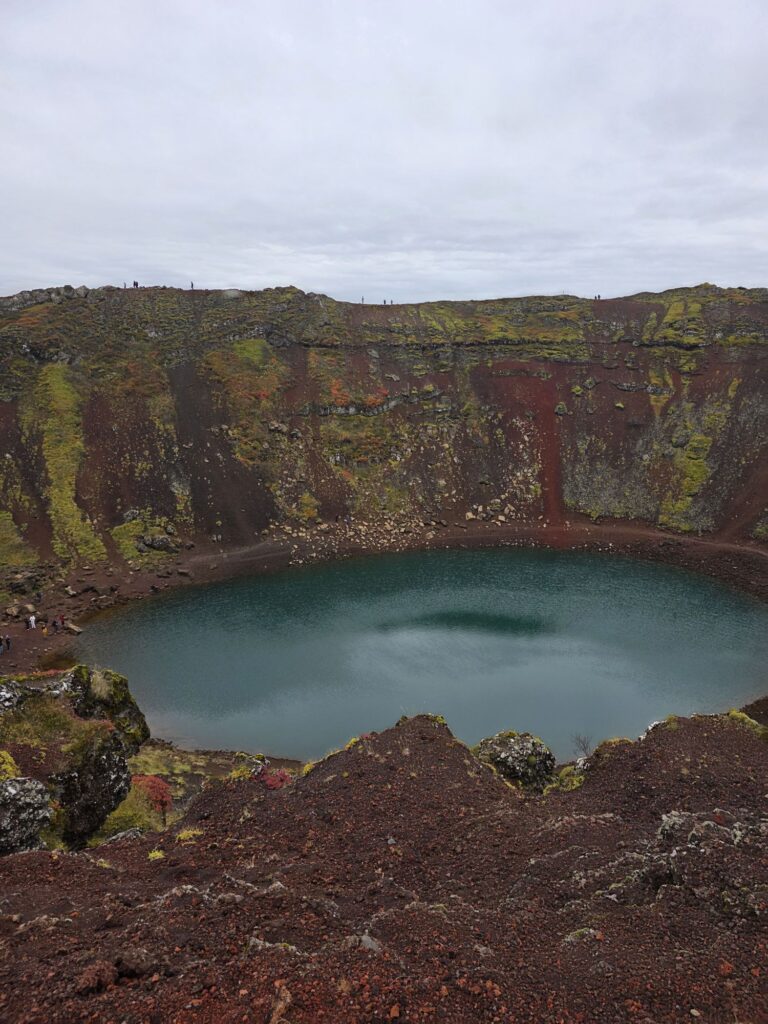
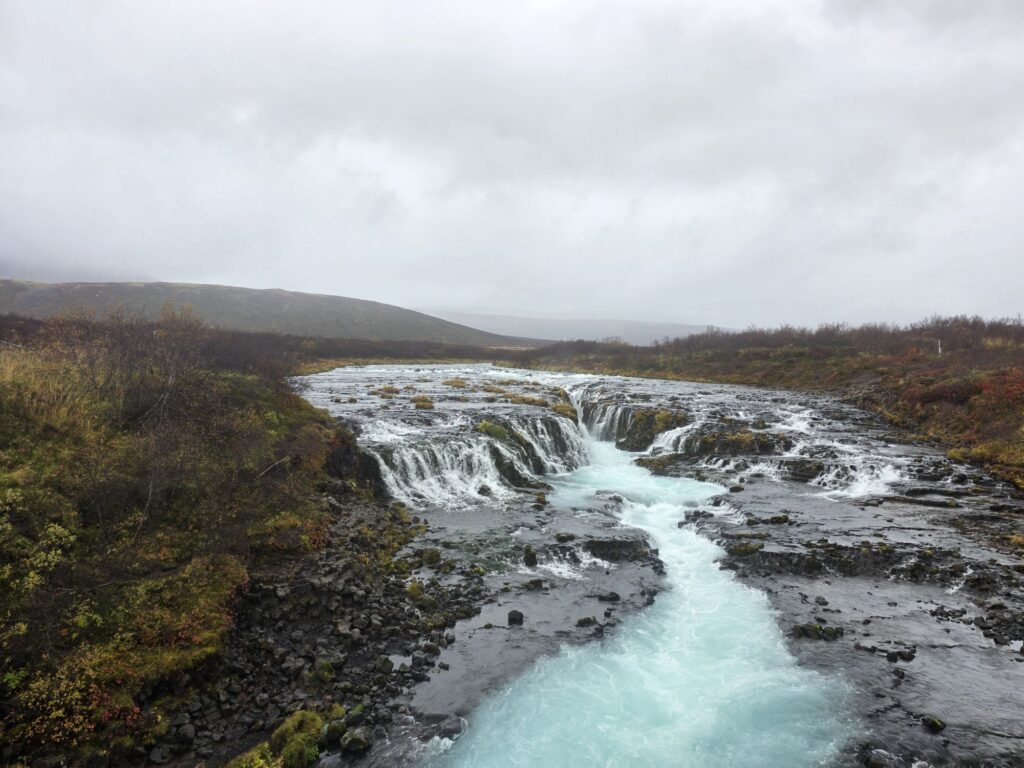
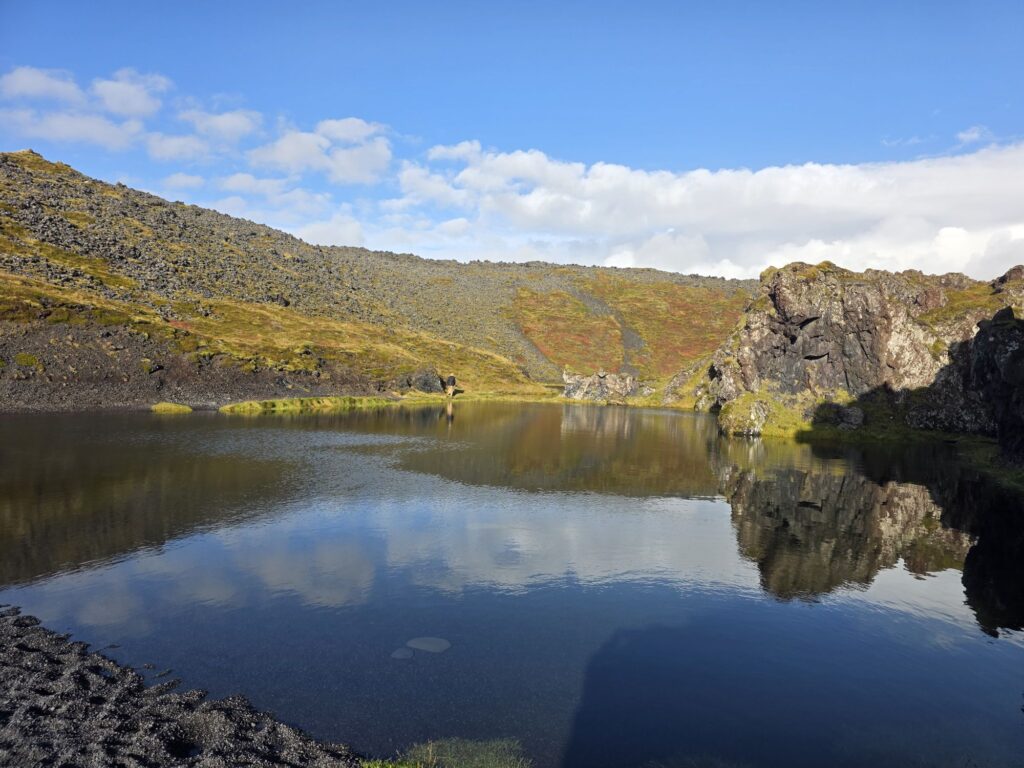
Incidentally, we made two bonus stops, Brúarfoss – another impressive waterfall just before the geysir – and the Kerið crater. Since we didn’t drive back to Reykjavík but stayed overnight in Selfoss (which made more sense as we were continuing eastward afterwards), the Kerið crater was a stop on the way. Both places were well worth it.
The South Coast: Selfoss to Vík
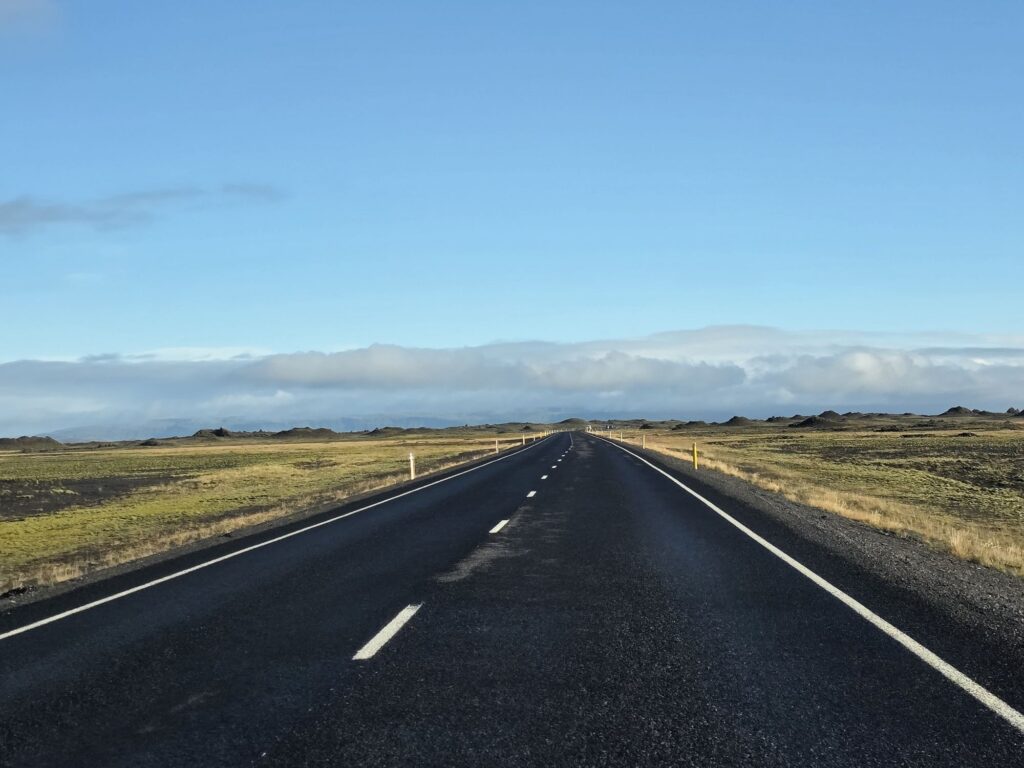
We spent the next three days exploring the south coast of the country. We drove from Selfoss to Vík for our first night, then on to Höfn, and on the third day from Höfn back to Reykjavík. The first two days involved a driving time of about three hours, and the last day six hours.
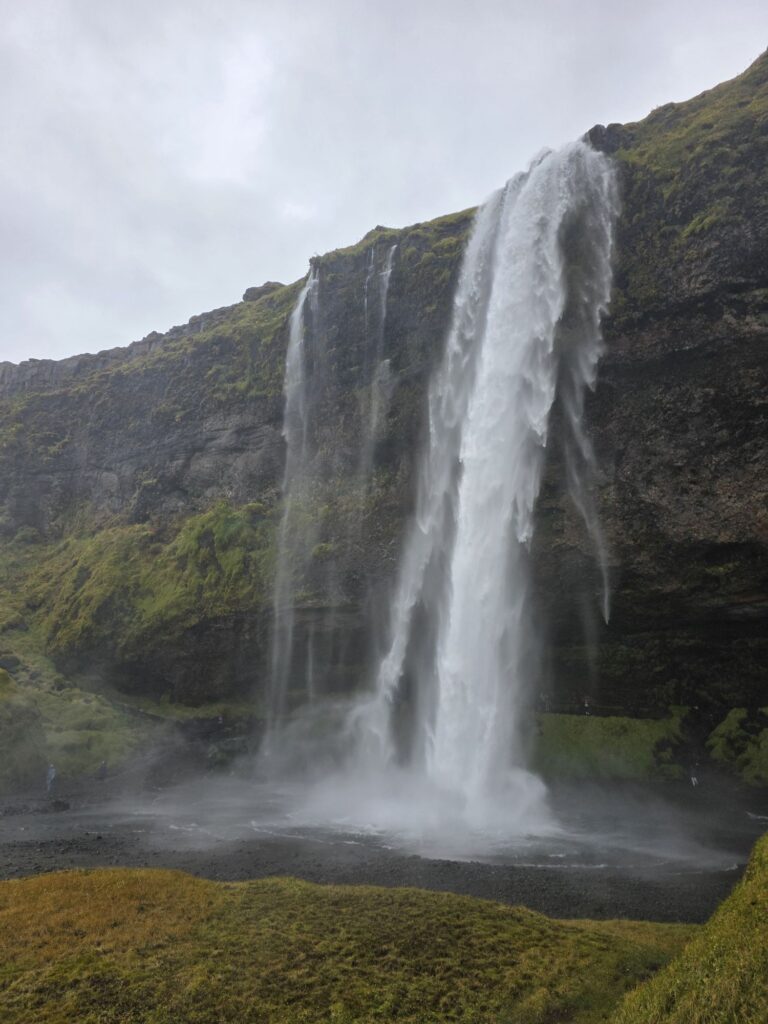
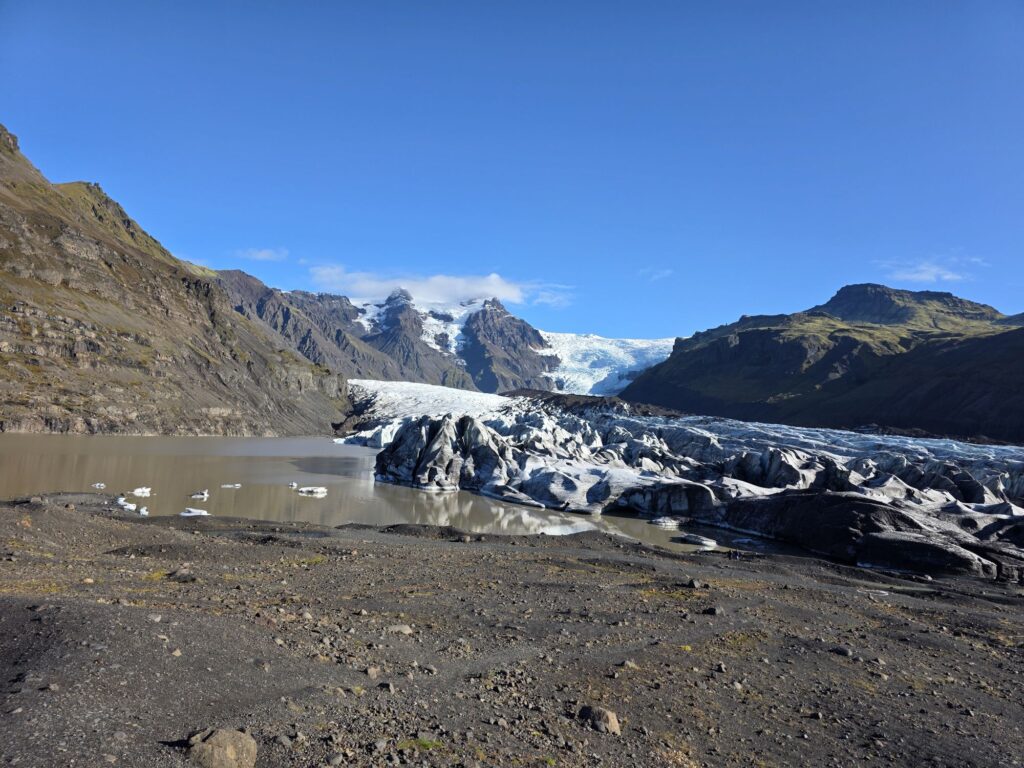
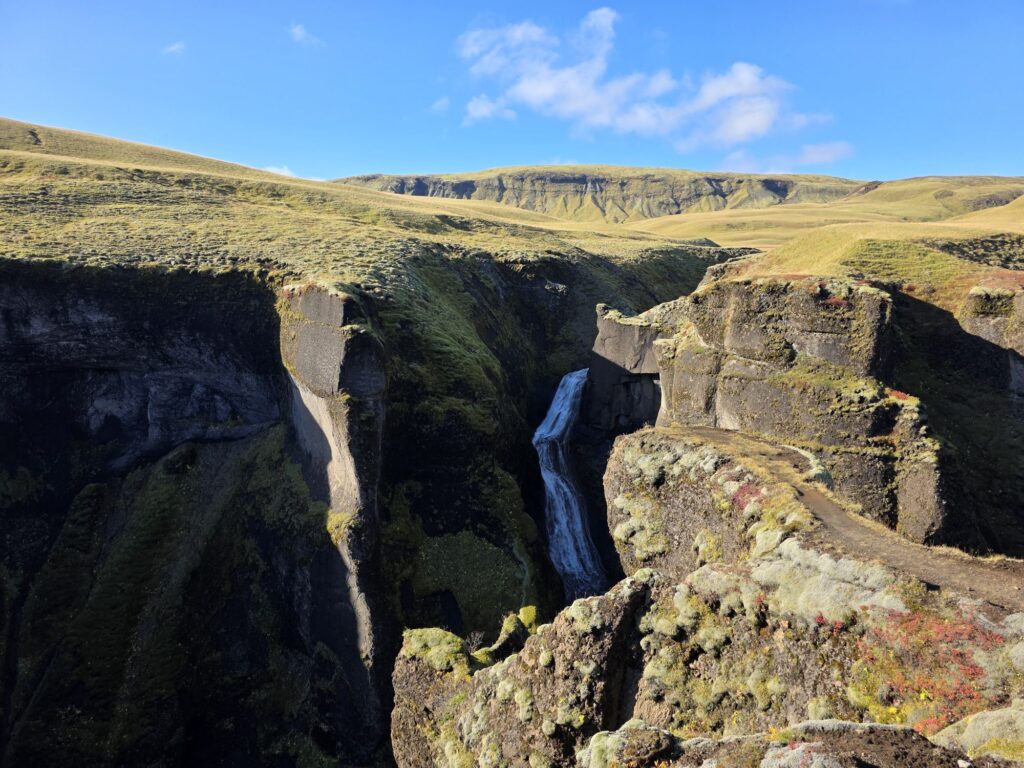
On the first day, we visited Seljalandsfoss, Skógafoss, Solheimasandur Plane Wreck, Dyrhólaey Lighthouse, and Reynisfjara Beach. On the second day, we made a stop at Laufskálavarða, Jökulsárlón Glacier Lagoon, and Diamond Beach. And on the third day, on the way back to Reykjavík, we visited the Svínafellsjökull Glacier and the Fjaðrárgljúfur Canyon.
It’s worth mentioning that these were the most important stops on this route. There were other places worth stopping at, but in Iceland you ultimately have to limit yourself to a selection, as there are so many waterfalls, glaciers, gorges, and similar sights.
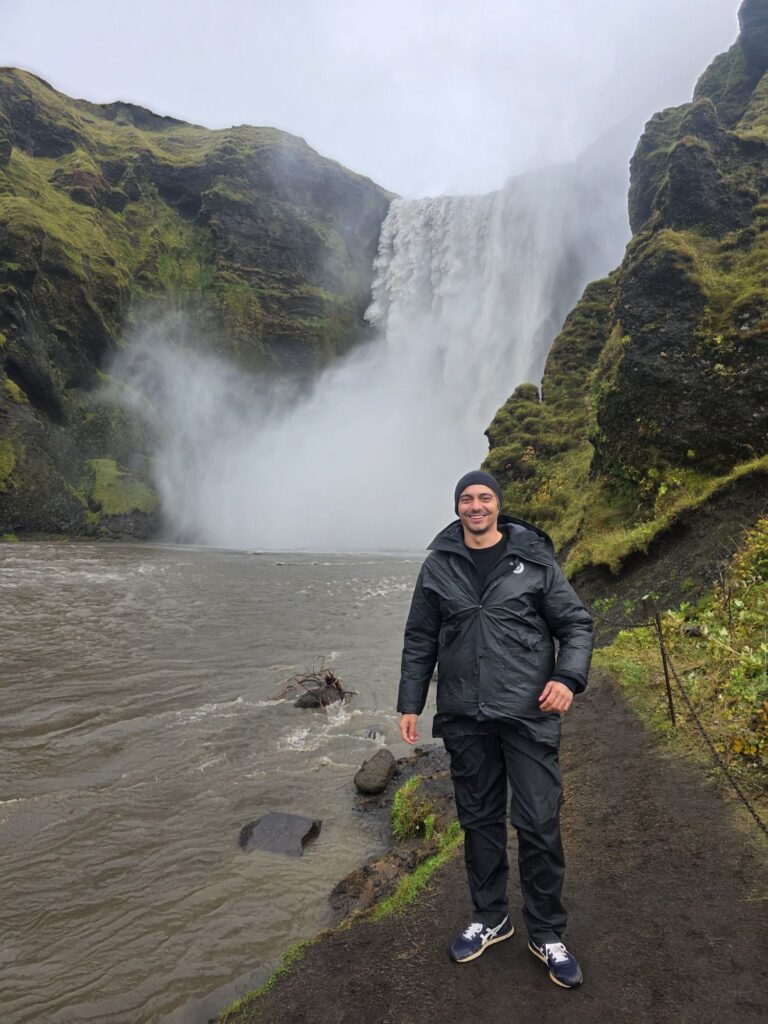
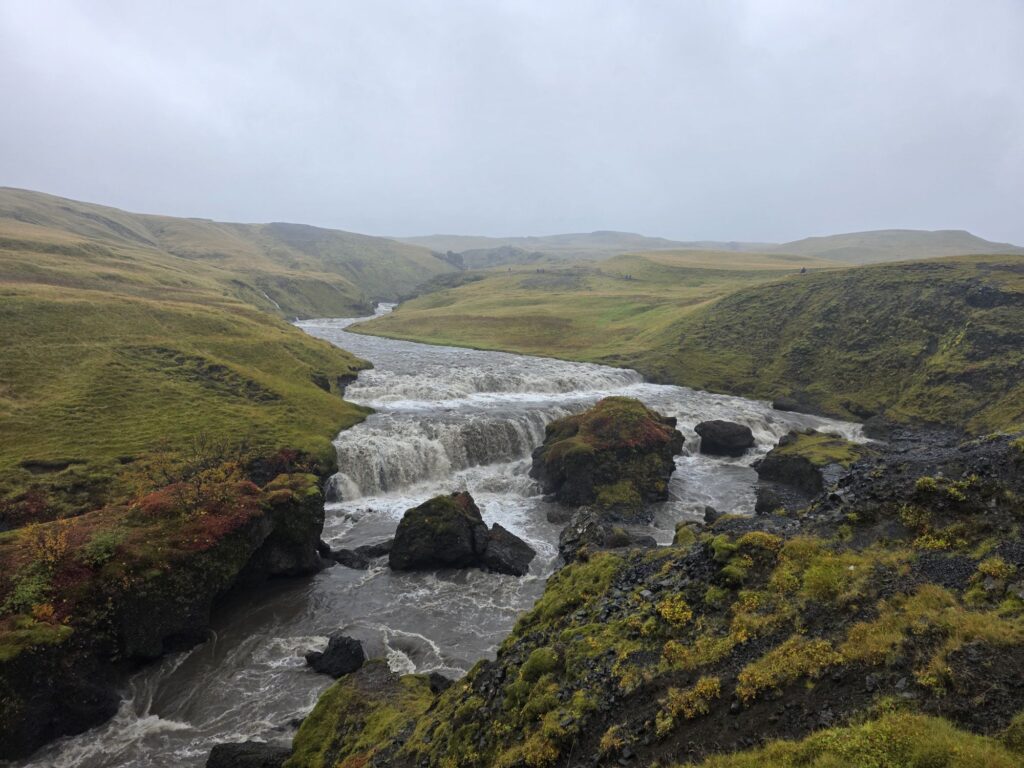
The first day was probably the most packed. Seljalandsfoss and Skógafoss both proved to be incredible waterfalls, which we visited in the worst weather conditions. In Iceland, the rain comes from all sides. Sometimes it blows right into your face, and even when I turned my face towards the ground, I had the feeling that the rain was coming from below.
I think it goes without saying that clothing is essential in Iceland. I had a water-repellent jacket with me, but it was only half ideal because it wasn’t a proper rain jacket. Fortunately, I bought a poncho in Reykjavík that I could put over my jacket when it rained harder.
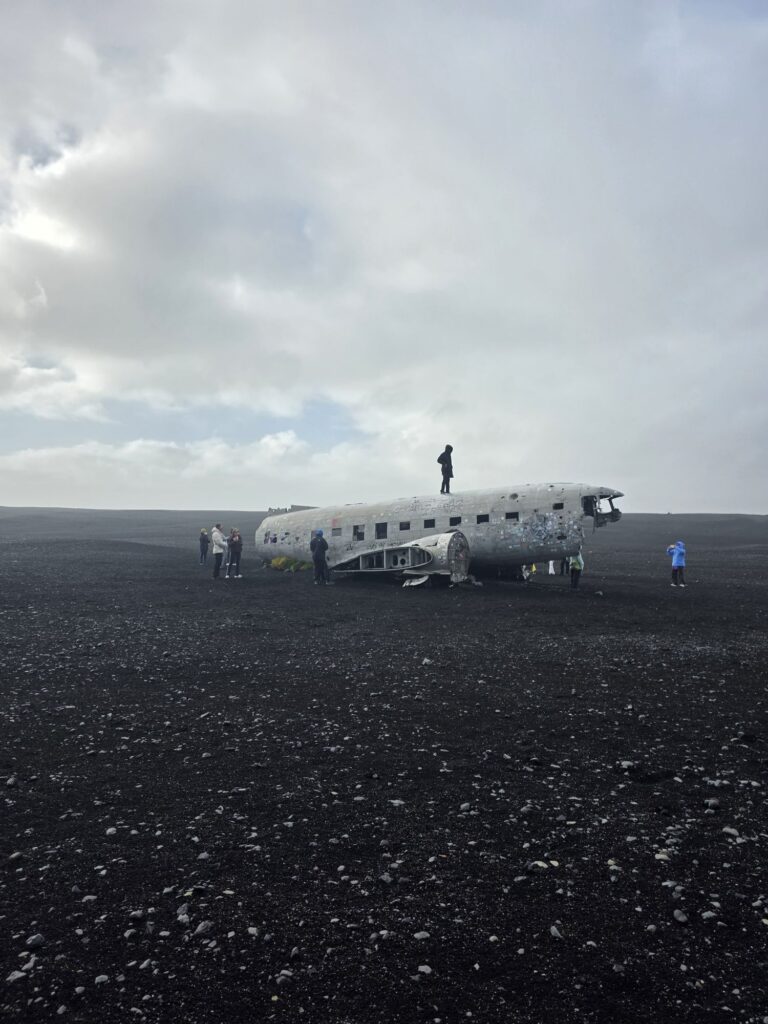
The Solheimasandur Plane Wreck was perhaps the most controversial sight in all of Iceland. Some say that this crashed plane on the black beach is not worth seeing. It takes 60-90 minutes to walk there. We took the shuttle for the equivalent of about €25, which takes you there and back in less than 10 minutes.
I also doubt that a hike of more than an hour there and back is worth it to see the wreck. But with the shuttle, it was actually pretty cool. Also because there is a black sand beach behind it, where you can see Iceland’s rough sea for the first time.
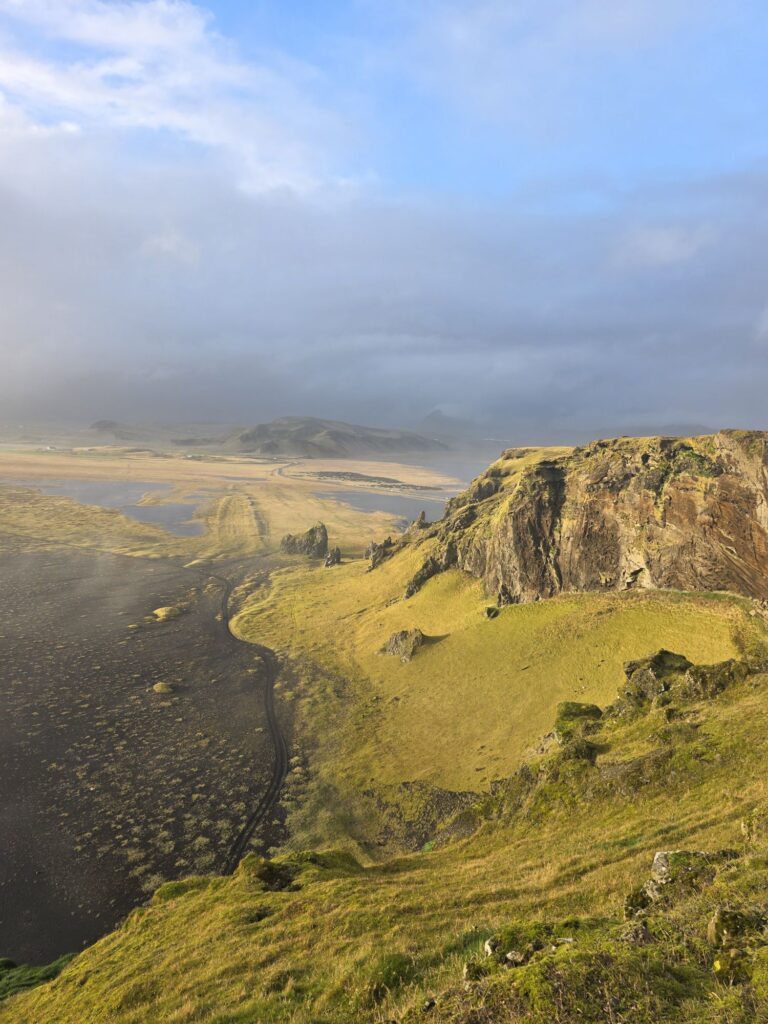
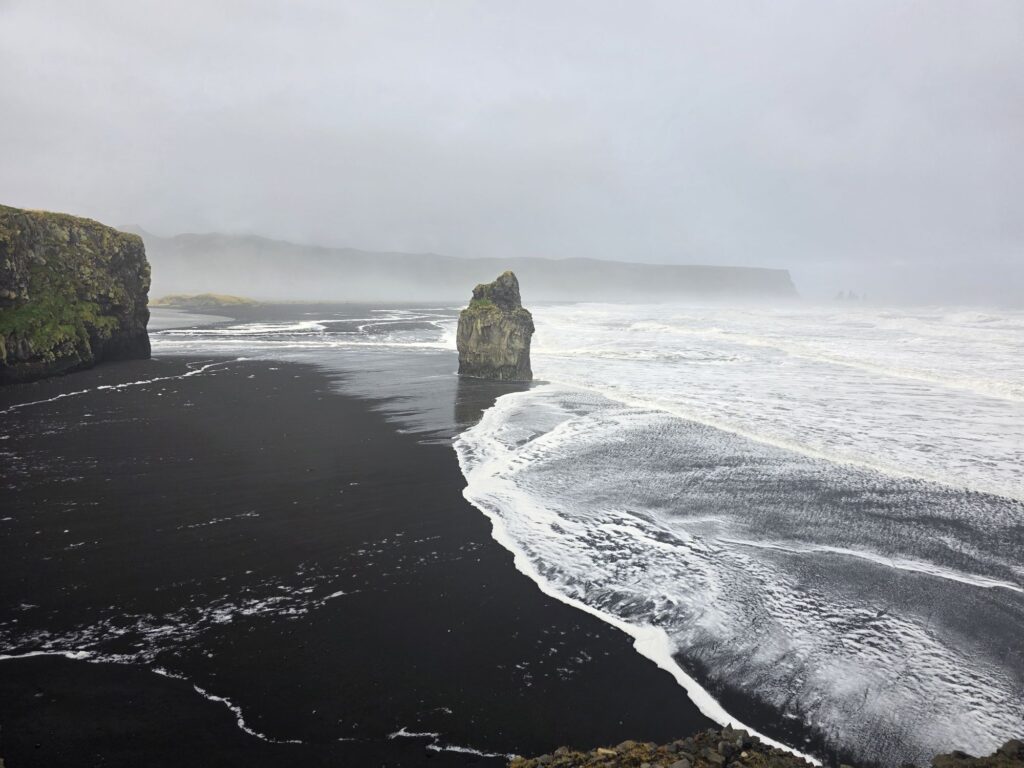
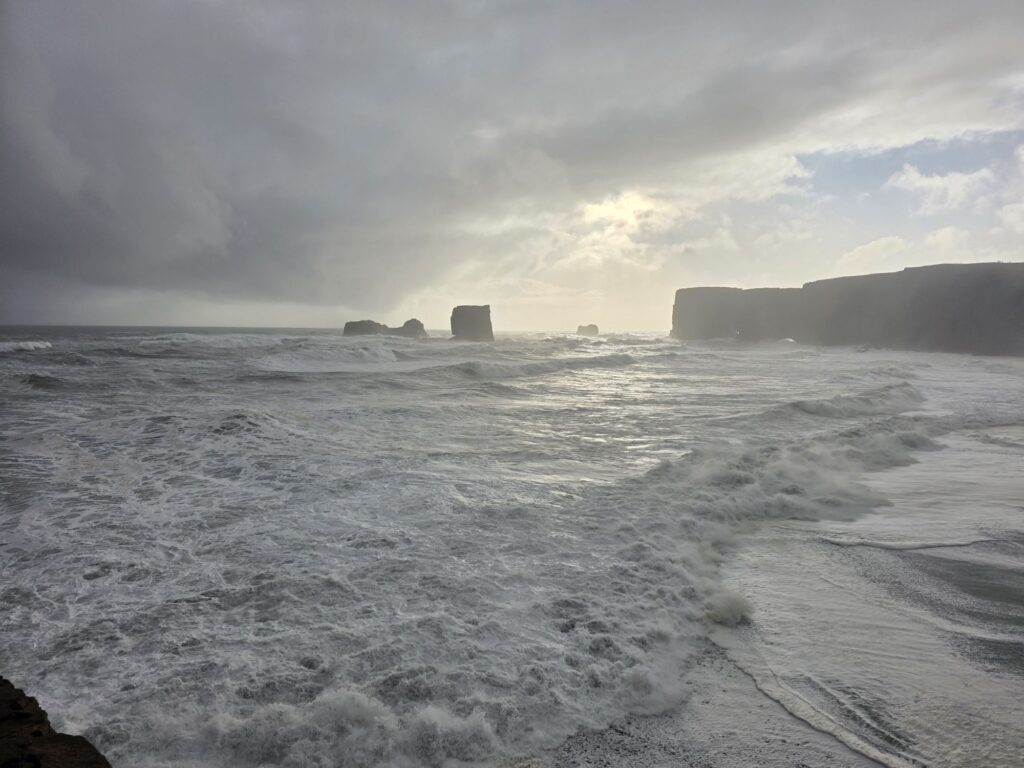
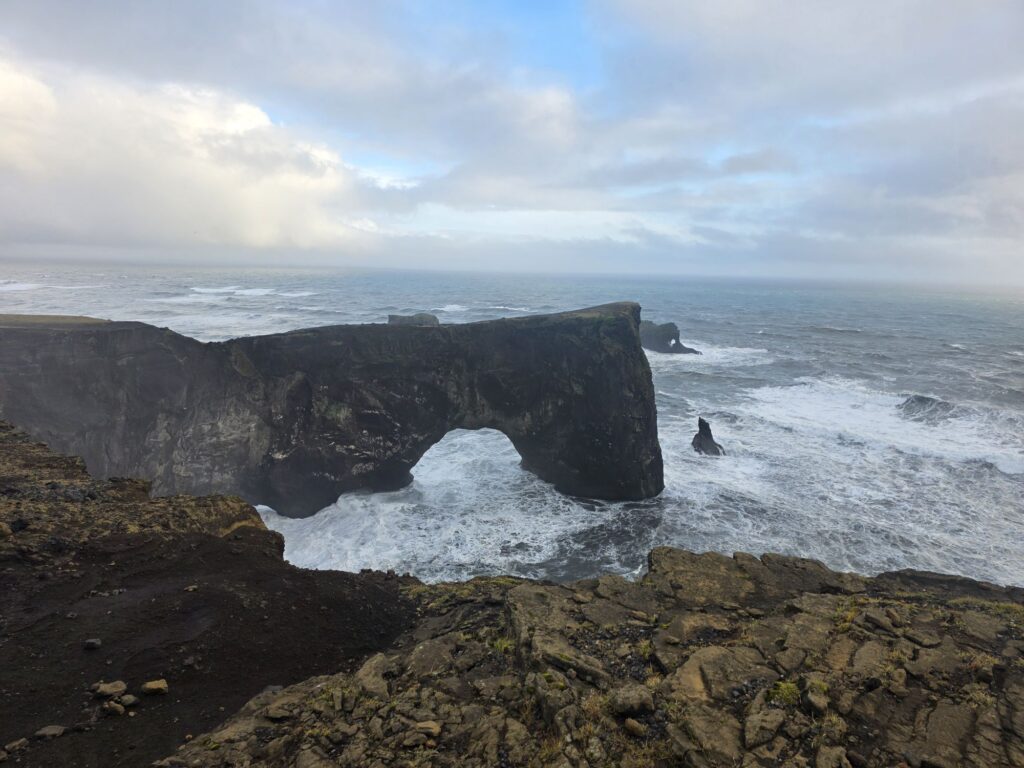
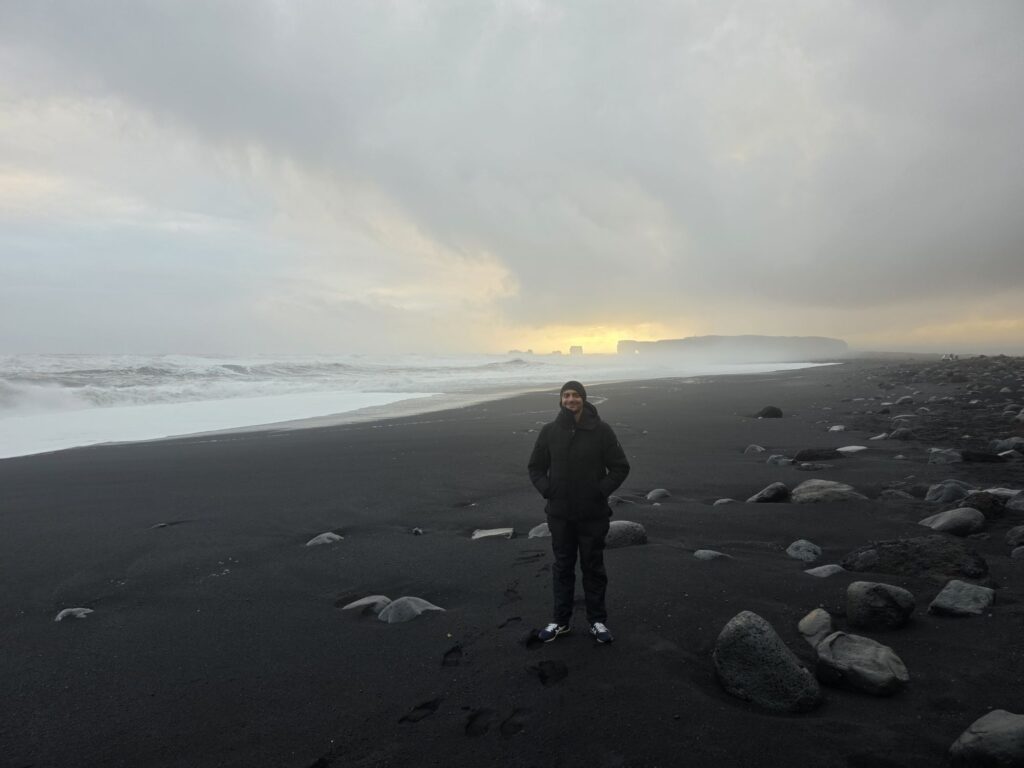
Further opportunities to see Iceland’s surreal nature followed in the evening at Dyrhólaey Lighthouse and Reynisfjara Beach. At Dyrhólaey Lighthouse, it’s worth making a detour to the Reynisfjara viewpoint, about five minutes away by car.
Incidentally, I have never seen such rough seas as in these places. Some of the waves felt like they were five meters high and crashed into the cliffs with such force that I didn’t want to imagine what it would be like to fall in there.
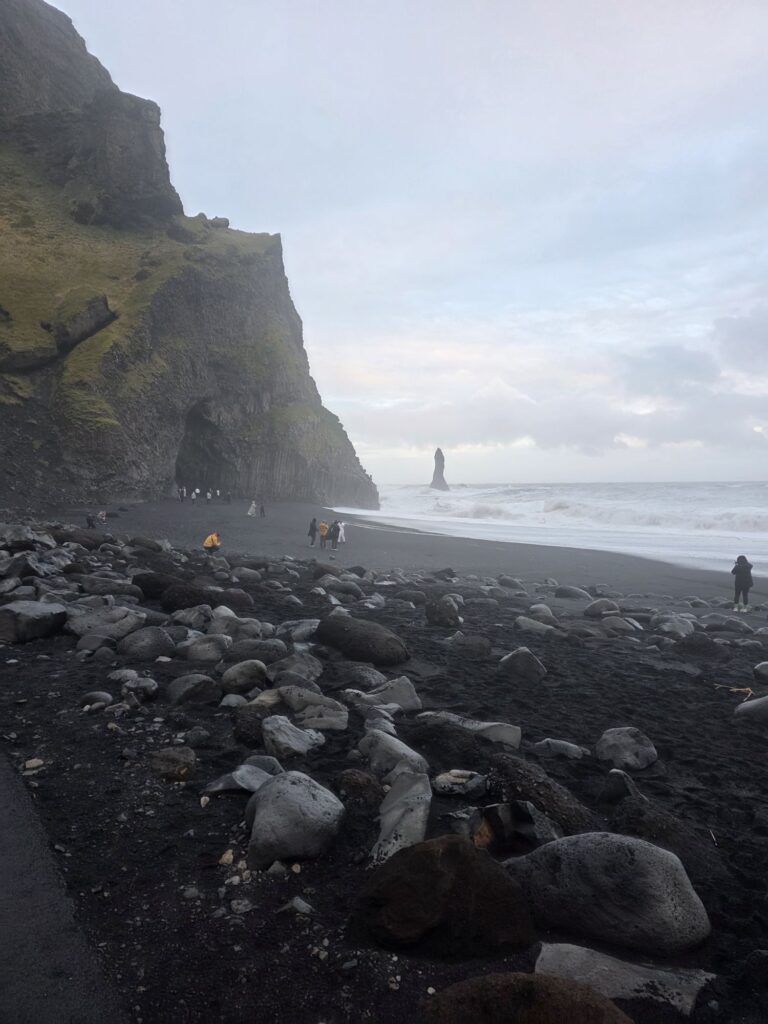
Reynisfjara black beach is another place where you can observe this. It is considered one of the most dangerous beaches in the world because so-called sneaker waves – a single, much larger wave that reaches several meters further inland – pull people into the water. There are frequent fatalities here. The last one occurred two months before our trip.
This doesn’t impress most tourists. Most of them stand very close to the water and are then surprised by a sneaker wave that is too fast for them to get to dry land in time. We also saw quite a few who were surprised by a wave and then stood almost knee-deep in water (fortunately without any serious consequences).
It was a very cool day, which wasn’t the best in terms of weather, but offered many great sights. I highly recommend seeing this part of Iceland as well, rather than just doing the minimum itinerary of Reykjavík and the Golden Circle. To finish off, we had one of the best pizzas I’ve ever had at Black Crust Pizza in Vík. Don’t miss it. 😉
The South Coast: Vík to Höfn
Probably the best day for me in Iceland. Not only because of the places we visited, but also because the weather was absolutely perfect that day. No rain, just lots of sunshine.
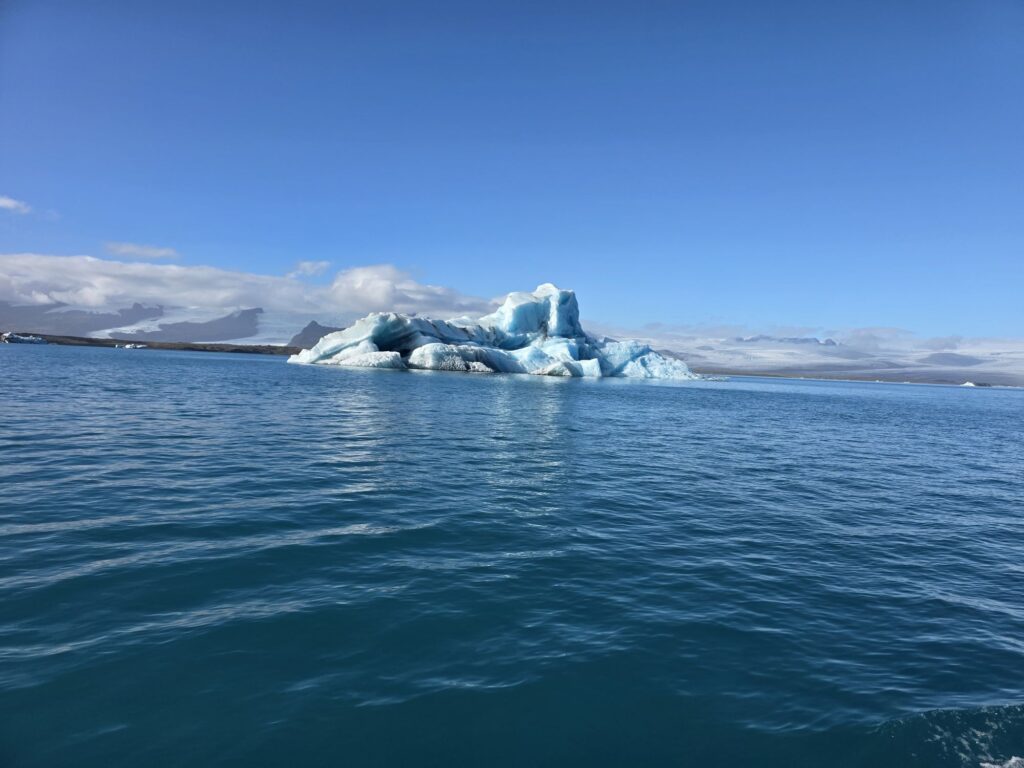
After a five-minute stop at Laufskálavarða, we arrived (about 2.5 hours after leaving Vík) at my favorite place in Iceland, the Jökulsárlón Glacier Lagoon, where icebergs break off from the Vatnajökull Glacier and slowly drift through the shimmering blue water towards the sea.
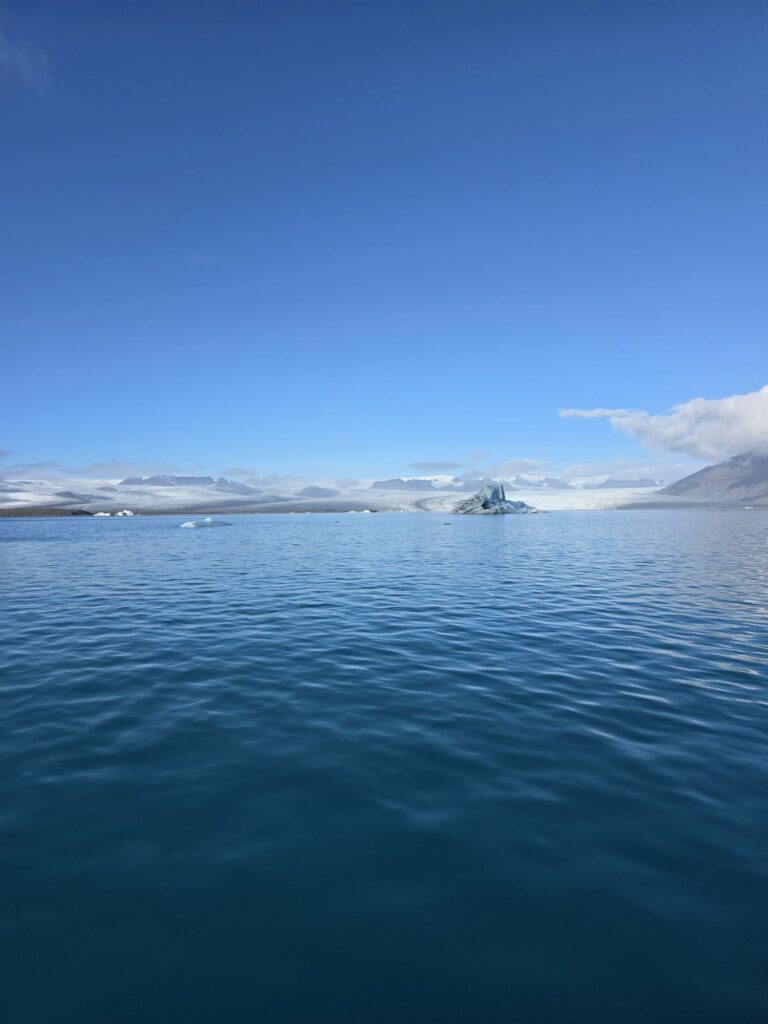
You can take boat trips in this lagoon. The two typical boat tours are either with amphibious boats, large vehicles that drive directly from land into the water, or with Zodiac boats, smaller, faster inflatable boats that get closer to the icebergs and the edge of the glacier.
The Zodiac boats were all fully booked, so we only had one option left. However, the amphibious boats are probably the better option for taking photos and enjoying the location. The Zodiac boats are more of an action-packed activity.
Incidentally, as new icebergs constantly fall into the lagoon and drift there, the lagoon looks different almost every day. Climate change has also caused this lagoon to become larger and deeper in recent years. 100 years ago, this lagoon did not even exist.
If you are lucky like us, you can also see seals there. Unlike in the open sea, they live in the lagoon without natural enemies (orcas). In the lagoon, they are at the top of the food chain.
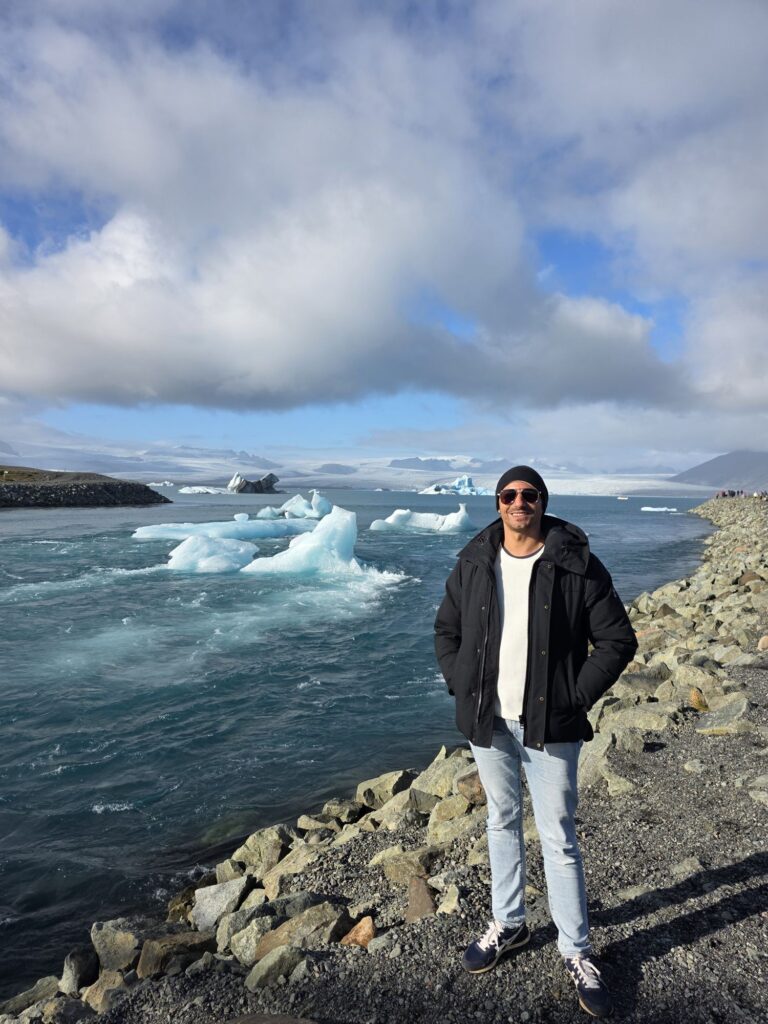
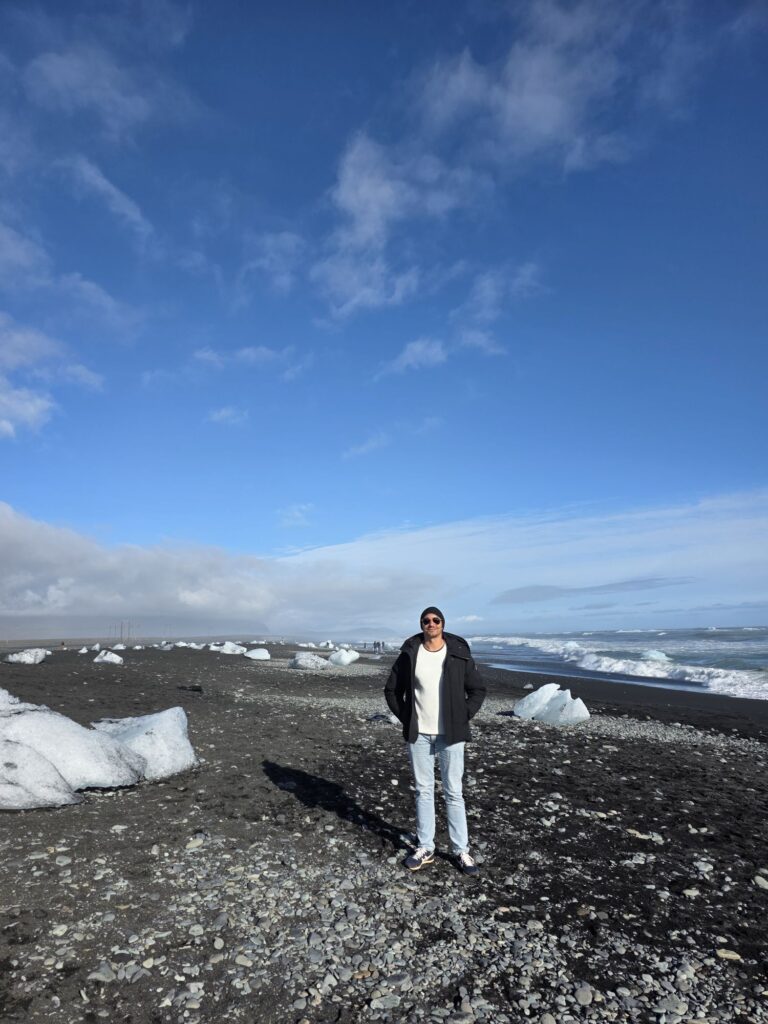
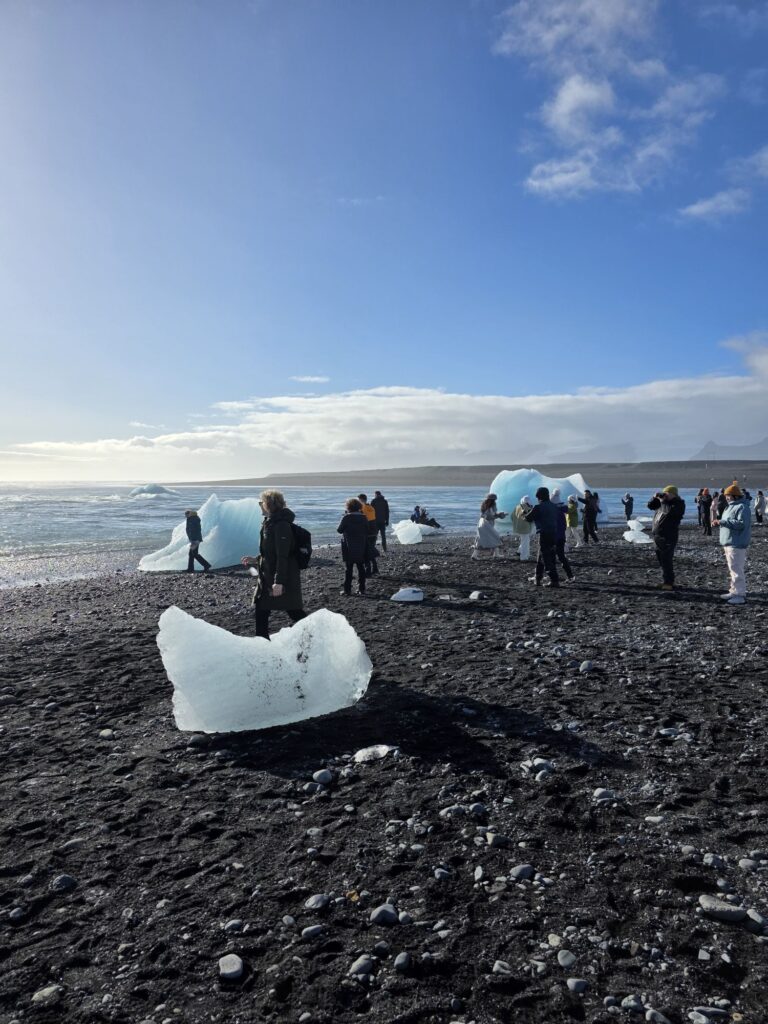
Right next to the Jökulsárlón Glacier Lagoon is one of the most iconic places in Iceland: the Diamond Beach. As mentioned above, ice blocks from the glacier float from the lagoon into the open sea. Some of them wash back ashore, making it look as if the black beach is covered in diamonds.
I think this place is also one of those that shows how touristy Iceland has become. The beach and all the ice chunks are surrounded by people, making it relatively difficult to take photos without people in them. A little tip: 100-200 meters from the beach entrance, there are only a tenth of the crowds. So go there to take photos. Or show up right at sunrise.
The evening in Höfn ended with a nice surprise. On my first day in Reykjavík, I discovered that you can already see the Northern Lights in Iceland at the end of September. You could book night tours from the capital (for around €90).
I thought I would do that on my last days in Iceland, provided the Northern Lights were visible on those days. Apparently, from 3 p.m. onwards, there is a tendency to be able to see the aurora borealis at night. From 6 p.m. onwards, you are 100% certain.
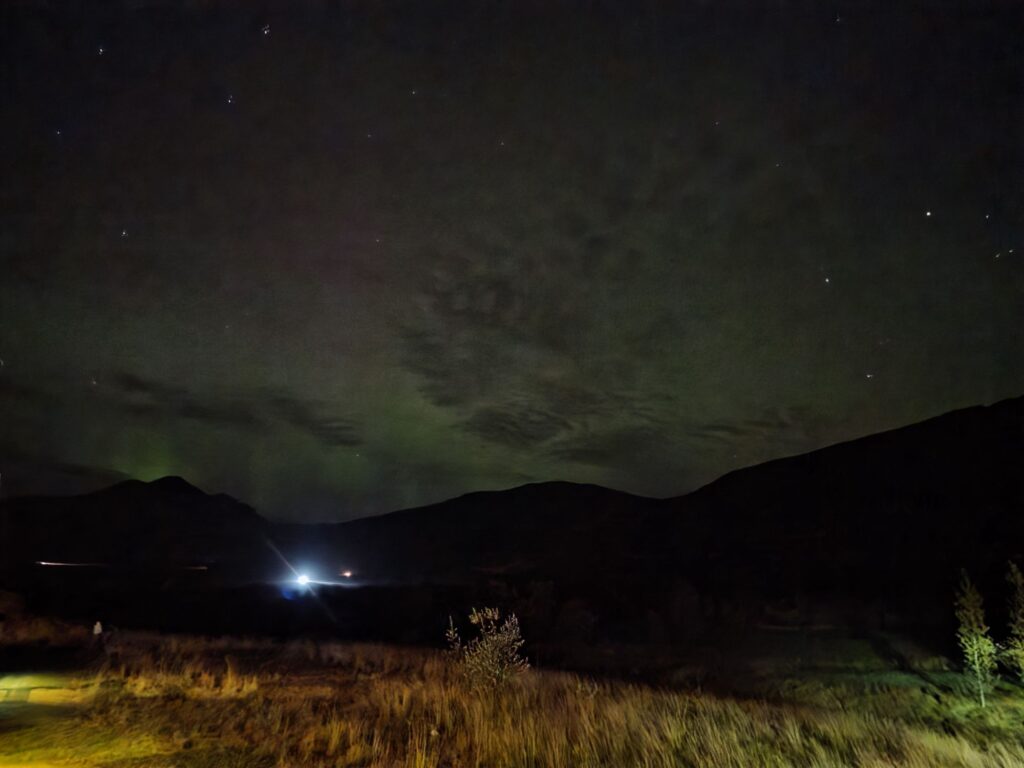
Now for the good news: a tour wasn’t necessary because we saw the Northern Lights from the hotel that evening. The internet says that Höfn is one of the best places in Iceland to see the aurora borealis. Our hotel, the Fosshotel Vatnajökull, had the added advantage of being located outside the city in a remote location. So, ideal conditions for viewing.
At around 10 p.m., we could see the Northern Lights. Not with the naked eye, as they were too faint, but with the camera. A camera, including those in current smartphones, has a longer exposure time than the human eye. While I could only see a milky fog in the sky with the naked eye, all the colors were visible on the camera afterwards.
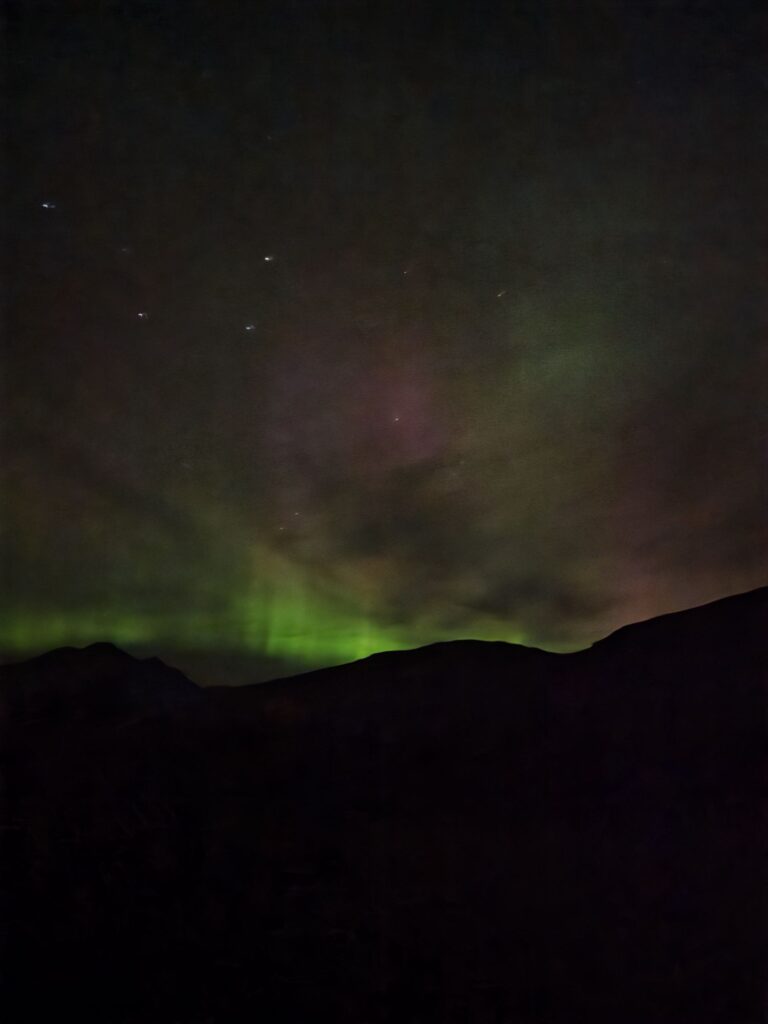
For many, the aurora borealis is a travel bucket list experience. I know people who have traveled to the north several times to see the northern lights but have never seen them. For me, the aurora was never an absolute must, but seeing it now was a nice bonus.
The South Coast: Höfn to Reykjavík
This day was basically just the return trip from Höfn to Reykjavik, which took almost six hours. To ensure that the day wasn’t just a long drive, we saved two stops on this route for this day.
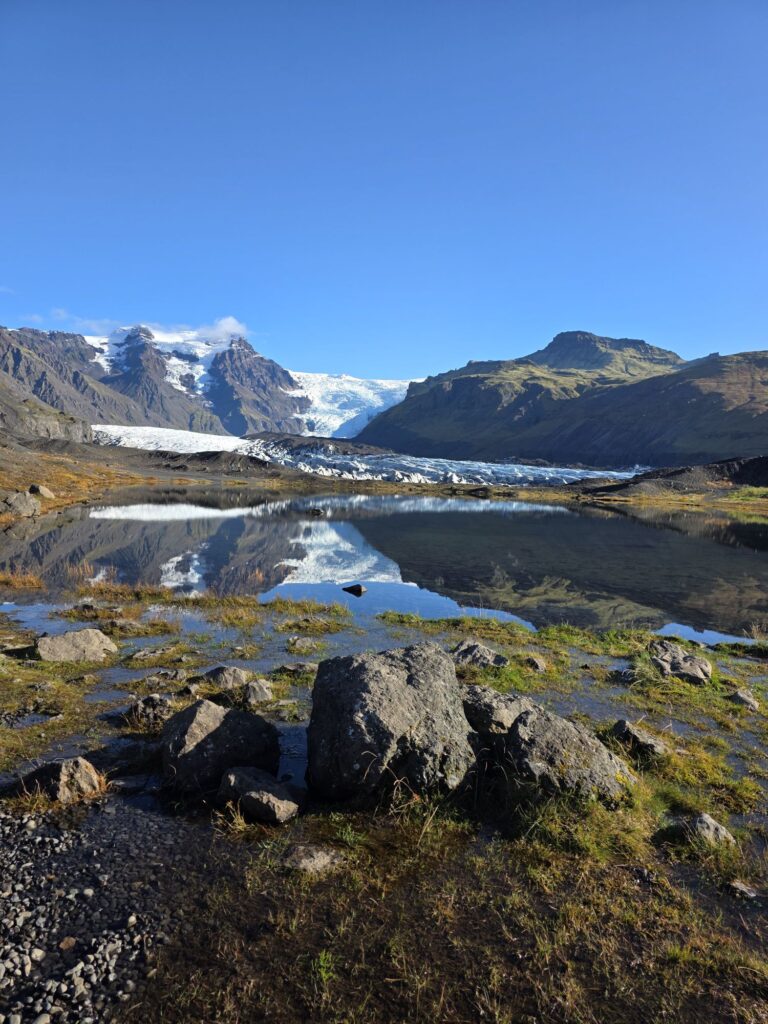
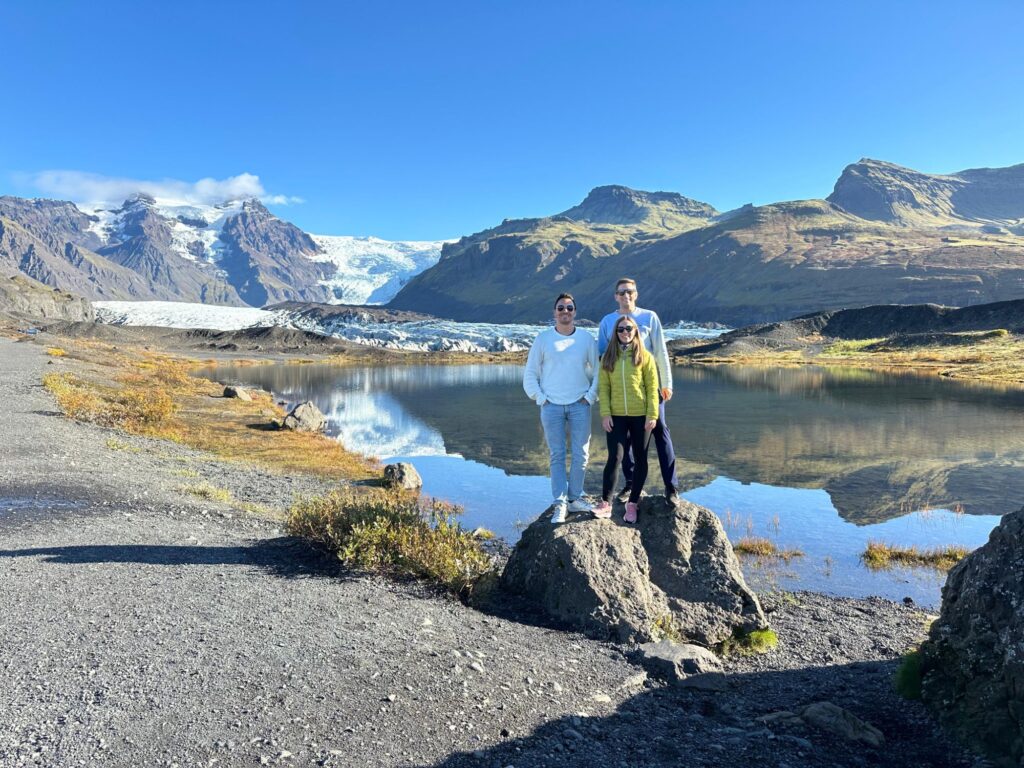
The Svínafellsjökull Glacier was the first. It is located relatively close to the Ring Road. It is about a fifteen-minute walk from the parking lot. All in all, it takes about an hour to see it, including photo stops. And it was definitely worth it.
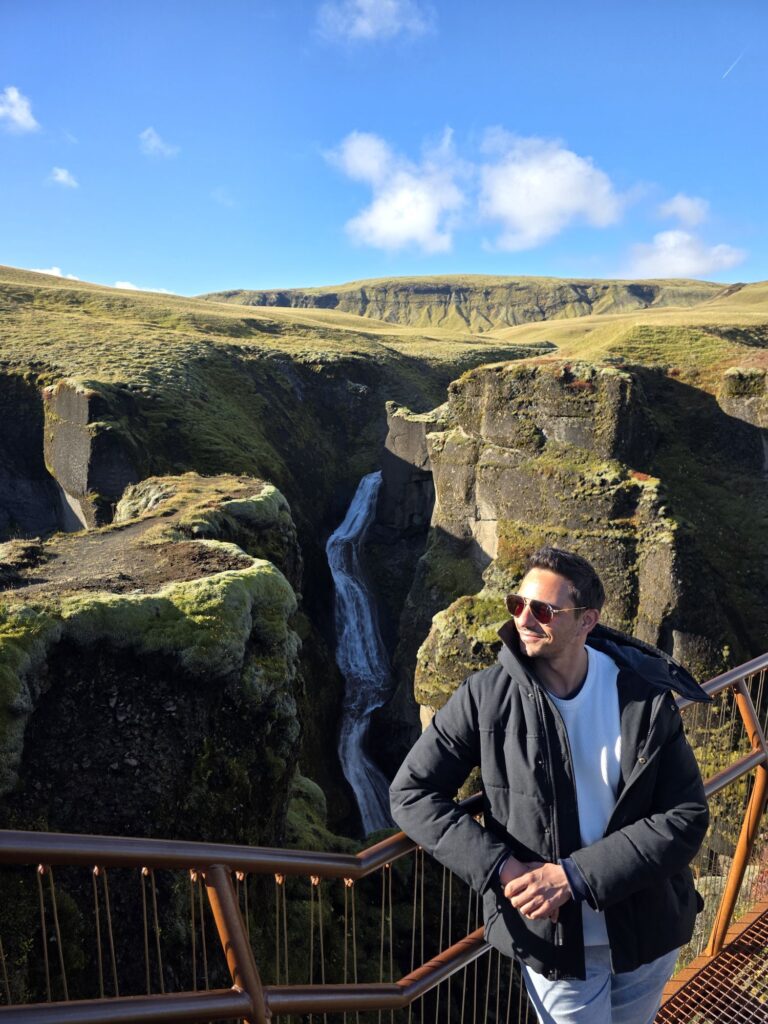
The second stop was the Fjaðrárgljúfur Canyon, a gorge up to 100 meters deep and about 2 kilometers long. The canyon has several viewpoints, and we also needed about an hour for this.
It was a long day of driving, but the stops provided a little variety. It would also have been possible to make further stops. In Iceland, you drive past waterfalls and other places that would be the main attraction in other countries, but in Iceland you just drive past them because there are so many of them.
We arrived back in the capital at around 5 p.m., where we went our separate ways after dinner. My friends went back home to Munich and I still had two more days.
Snæfellsnes Peninsula (& Reykjavík part II)
I saved the last two days as spare days in case I wanted to catch up on anything due to bad weather. Since this wasn’t the case, I booked a tour to the Snæfellsnes Peninsula in the northwest of the country.
In Iceland, it’s worth booking things well in advance. We learned this the hard way with the Zodiac boat tour in the Jökulsárlón Glacier Lagoon (which turned out to be a blessing in disguise in the end). Many tours to the Snæfellsnes Peninsula were already fully booked. However, I finally found something on Guide to Iceland, and the tour was run by Nicetravel.
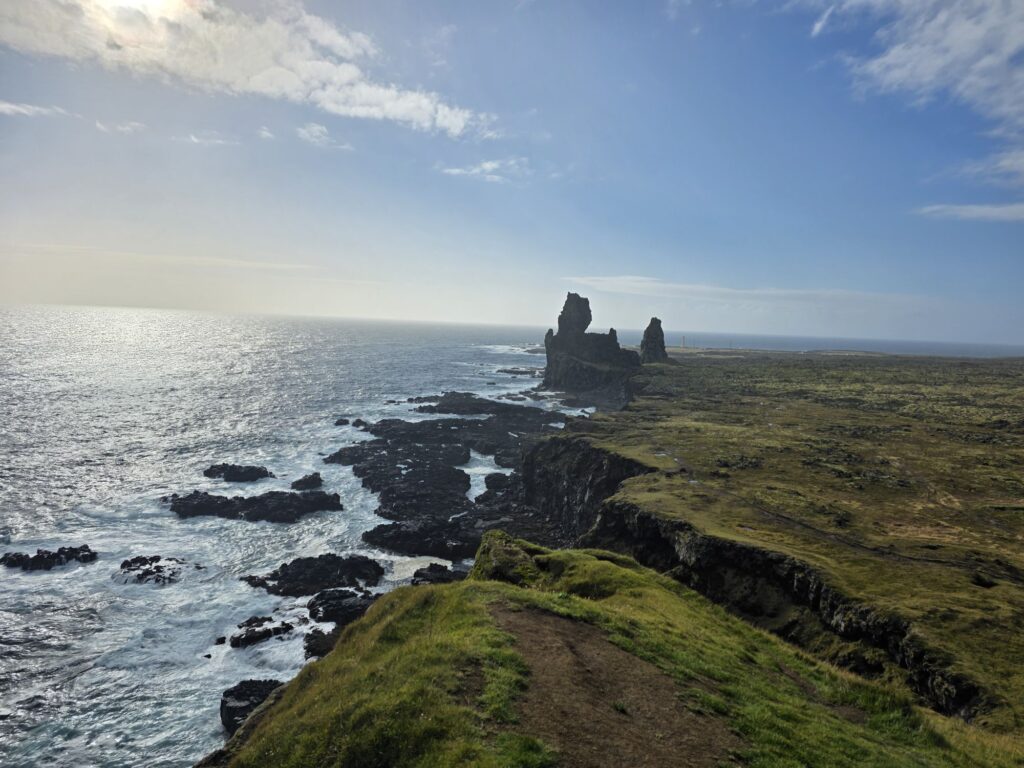
The Snæfellsnes Peninsula is often referred to as “Iceland in miniature” because it combines almost all of Iceland’s landscapes in a small area: volcanoes, glaciers, beaches, lava fields, waterfalls, cliffs, fishing villages, and even hot springs. A guided full-day tour takes you to the most important landmarks in this region.
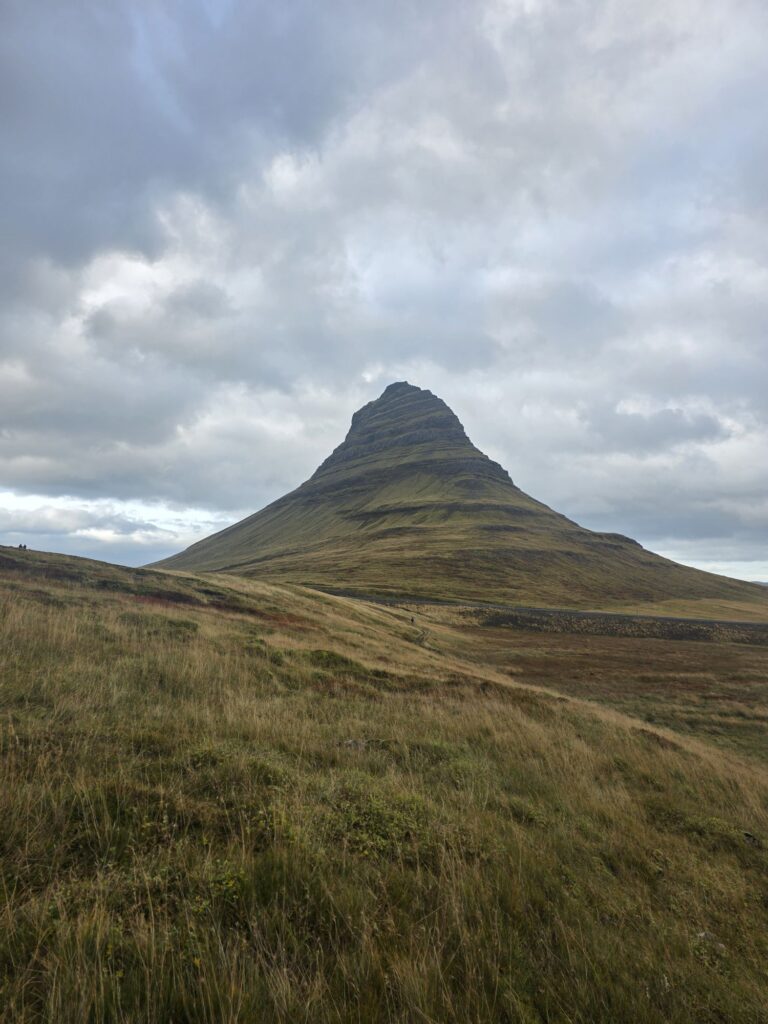
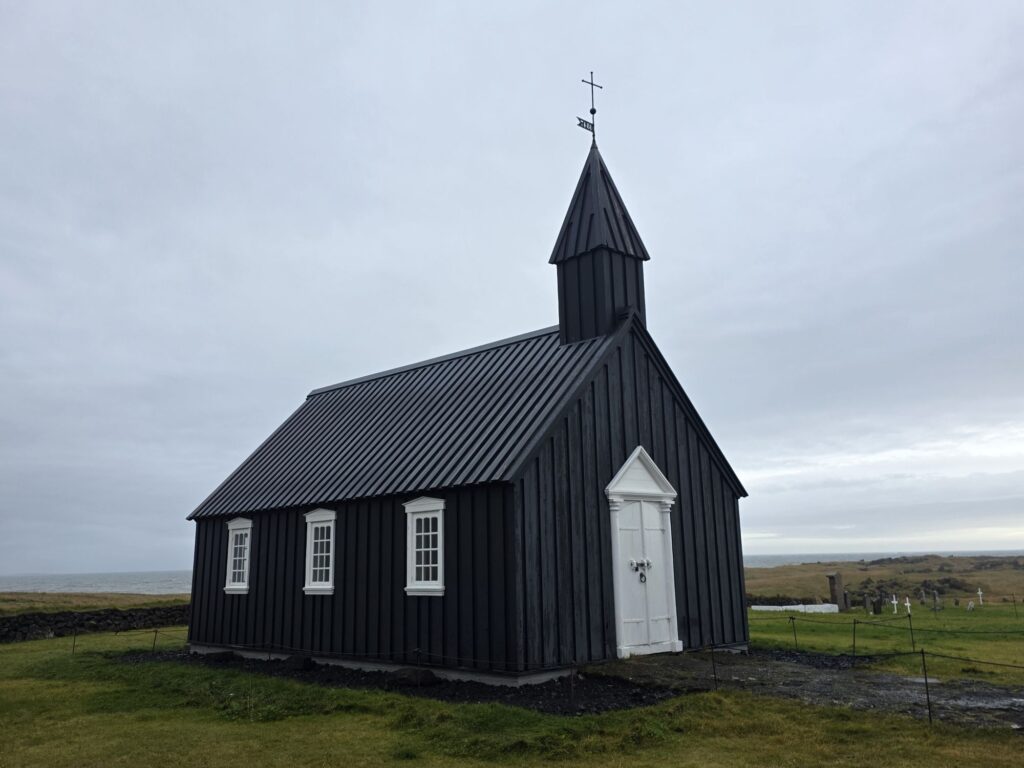
On this day, in addition to the landscapes of this region, I saw sea lions again. I also saw cliffs, waterfalls, a black church, and Kirkjufell, perhaps the most striking mountain in all of Iceland, its Matterhorn, so to speak.
The tour was definitely worth it. The Snæfellsnes Peninsula seemed a little rougher and less touristy than the Golden Circle or the south coast, but it also offers spectacular nature and wildlife. After five days of independent travel, it was also nice to have a guide and learn something about the place and Iceland in general.
After that day, however, I had seen enough. Even though Iceland’s nature is unbeatable, after five days outdoors I didn’t feel like going on another trip. Especially since the weather had taken a turn for the worse and the tours, like the rest of the country, are quite expensive.
So I spent my last day back in Reykjavík, where I gave an interview to Icelandic TV. An Instagram post of mine celebrating the last country went viral and a reporter noticed it. He asked me via DM if I would be interested in an interview. This was then broadcast on TV that same evening.
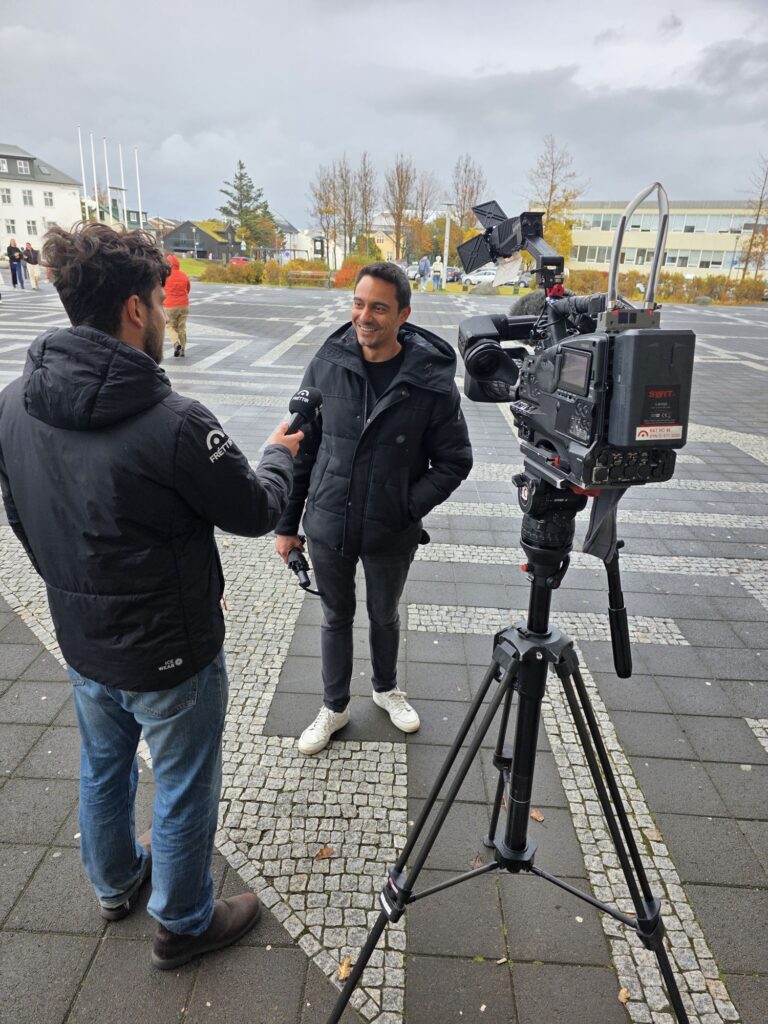
You can watch the interview here!
In the evening, I took the Flybus back to the airport, from where I flew home with easyJet. A night flight with easyJet was probably the most unpleasant flight experience I’ve ever had, but that’s another story… with a return flight that only cost 90 CHF (almost the same in €), you can’t complain.
Conclusion on Iceland, the last country
Was it worth saving Iceland as the last country to visit? Yes, absolutely. Iceland is a country like no other and – despite having already visited 196 countries – it blew me away.
Iceland is one of the most beautiful countries in the world. Iceland’s landscapes are in a league of their own, which is why Iceland is primarily a country for outdoor enthusiasts. There is one attraction after another, so that in the end you have to decide which ones to visit and which ones to skip.
Sure, the weather at the end of September was certainly not perfect. The advantage of September was that the country does not see as many tourists as in July. Nevertheless, Iceland is a country that attracts many tourists from all over the world, so even in September it can seem crowded in certain places.
Iceland has probably fallen victim to its own success. Ten years ago, the country was still an insider tip, and I’ve heard from people who were there at the time that the infrastructure was not as developed as it is today. Today, it can be a problem to find a parking space at a tourist attraction during peak season.
Some people warned me that Iceland didn’t have much to offer in terms of cuisine, especially if you don’t like fish. But this information is also outdated. All the places we visited on this trip now had a selection of restaurants serving food from different regions of the world. And the pastries here are world class anyway.
Apart from overtourism, which didn’t bother me much but is apparently now a challenge even for Icelanders, there is a second point of criticism. I don’t want to beat around the bush, but Iceland is one of the three most expensive countries I have been to.
This is particularly evident in restaurants, alcohol, and tours. Hotels were also expensive, but fortunately not on a par with London, Paris, or major American cities. I usually paid around €160 per night for a single room. The sights are free, but you have to pay a parking fee of around €7, which adds up in the end. For inexpensive food, I recommend the Icelandic national dish: hot dog. 🙂
In seven days, I was able to see quite a bit of the country, but of course not everything. That’s actually a good thing, because after seven “outdoorsy days,” I honestly had had enough. Iceland is a country that I would like to visit in winter, despite the short days. So I’m sure that I’ll be back someday.
For me, Iceland was not only the best trip in 2025, but also one of the best ever. The country has catapulted itself into my top 10, so it goes without saying that I highly recommend traveling there.
Click here to find the trip reports of all 197 countries I have visited!
Congratulations! I’ve been following this blog for about 2 years, since I was trying to organize a trip to Sierra Leone, and this was one of the first results. I’m blown away by how you give such a thorough explanation of how you felt going places. This is in the top 1% of blogs out there. I’ve used this to plan other trips, e.g. Guatemala and most recently Slovenia. Hope you enjoy your future trips going wherever you so choose!
Congratulations Nicolai. Great effort and enjoyed following your epic, and sometimes lunatic, travels. Next stop: Sunderland for a Fulham away match?!
Wow…this is beautiful. I’ve been following the journey from the 60s and reaching 197 indeed does feel surreal. Hopefully you keep adding new blogs and revisiting countries.
Congrats! You definitely were wise to save a top country for last. I hope this isn’t the end of the blog. I’ve really enjoyed reading these since I found it earlier this year.
Congrats on completing your journey! Do you plan to keep updating the blog? I’d love to read some posts like “best of”, “worst of”, “craziest moments”, “best cuisine”, etc. Would be cool to read more reflections now that you’ve completed every country.
Awesome achievement. I think I’ve read all 197 trip reports and they’ve given me a great perspective on which countries I would like to visit. Iceland was a great way to finish. For those of us that don’t mind some weather, it’s gotta be one of the easiest countries to enjoy (for a number of reasons).
I hope you still make some new entries when you re-visit some places. 197 or not, I can’t imagine you’re done traveling.
Thanks for letting us share your adventure!
Many Congratulations Nicolai – fantastic achievement. Loved following the journey and the refreshing style of your blog – which I discovered when searching “Is the Galapagos overrated”! Hope we’ll be hearing you soon on the Counting Countries podcast?